Not at all sure that I could pull it off but absolutely sure that I would go on Thursday I set off by bicycle to Spain. I did not check the route nor the distance, the only certainty is that I have to go. Embedded in my mind the long gone past of touring Europe, yet my garden still gets absolute care. Care to the extend that Geo and I start killing rats by hand, since we haven’t cats. Rats and vole do disturb the growth of plants and I want to keep my garden food secured. I am not sure when I will be back, because however certain I am, I also feel a big doubt.
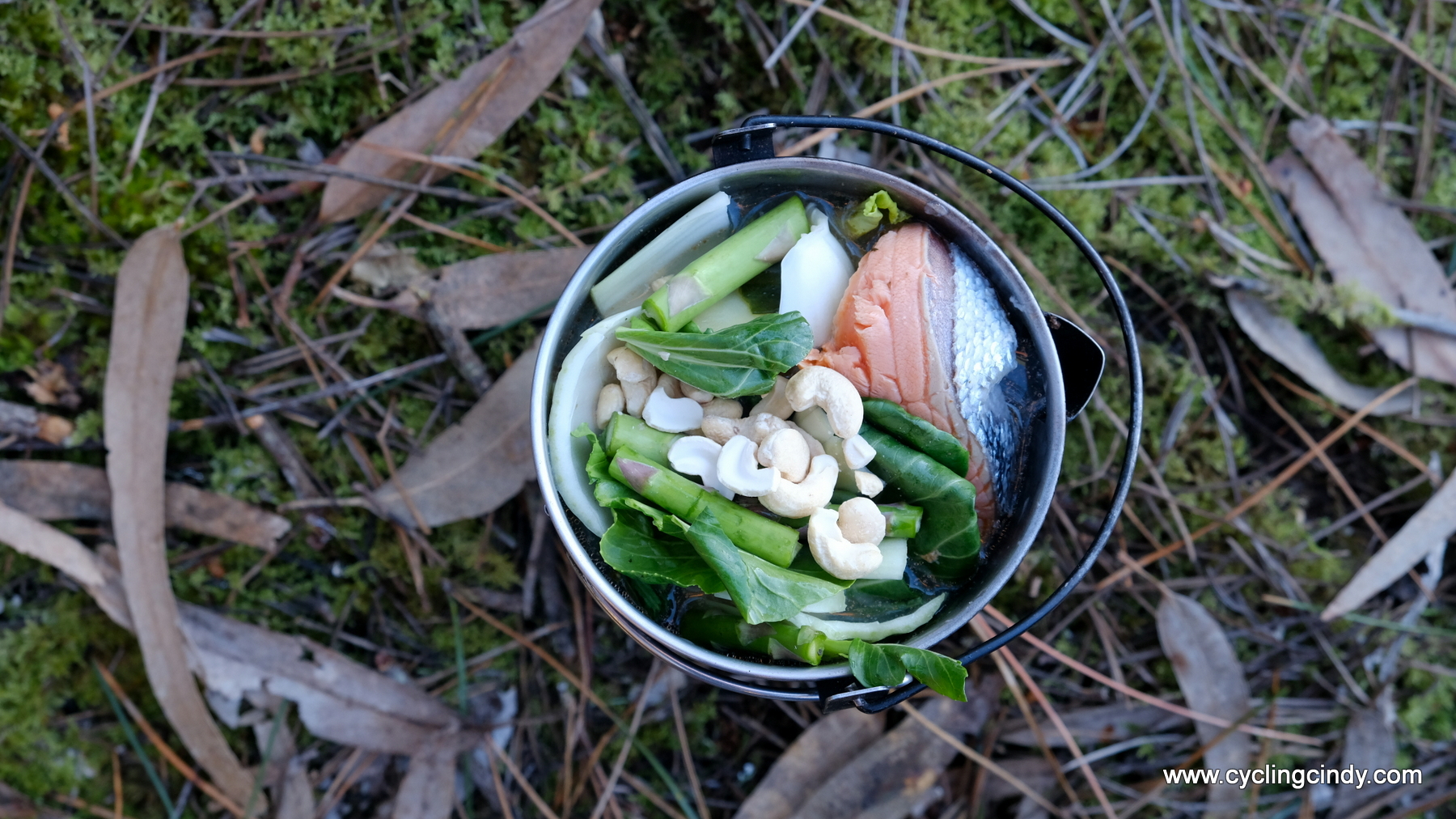
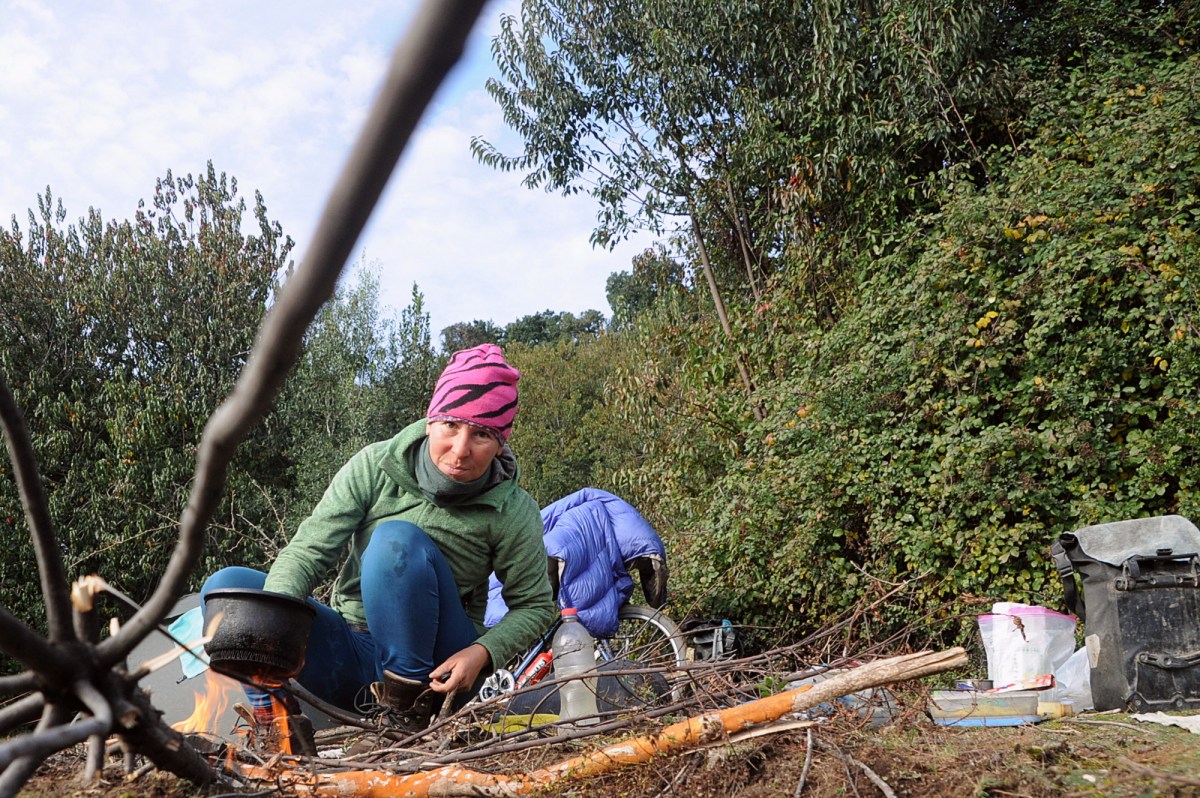
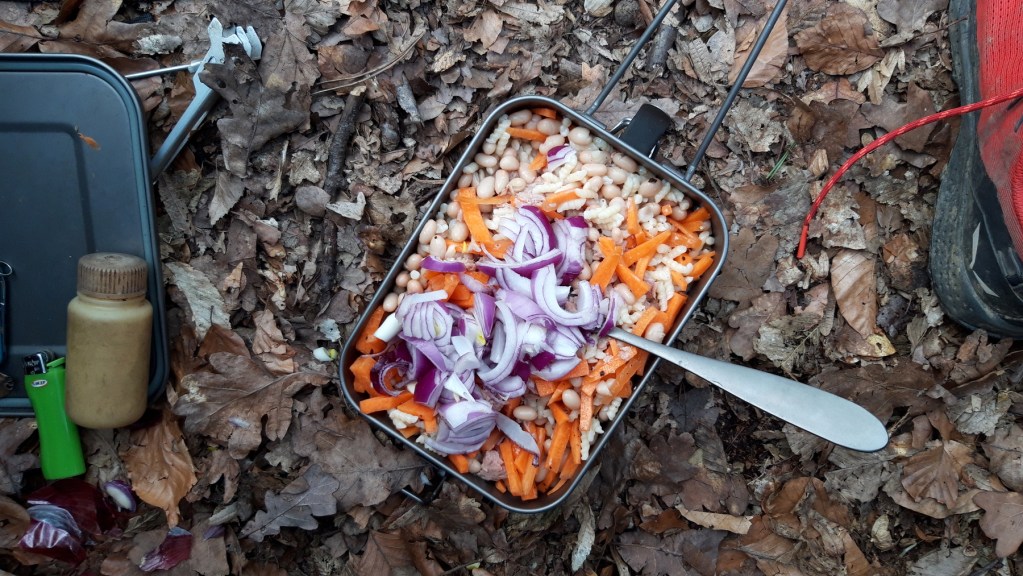
It took me a long time to come up with a decent meal cooked in camp. Having eaten pasta with sugared tomato paste for over a year I knew that should not have to be repeated ever again but how do you cook a tasty meal when you are not a cook and one that is also low on gas and water consumption?
I don’t know where to begin. With what I learned perhaps? But is that interesting or even feasible in my attempt to inspire you? Or shall I simply write a bit about what life means in the countryside of Hungary? Read more…
I realize I have become a bit of a nerd if it comes to the right pot for cooking in every situation. I must even admit that it is nice to buy new titanium cooking gear. Such buying gives pleasure to a trip long before I actually get on a tour. But now, I have enough. Really. And that’s why I share this post: who needs what and when? Yet, nothing so personal as one’s kitchen.
The term bento is believed to come from the Chinese word biàndāng which means: convenient, handy, easy. You can also call it a lunch box or, less elegant, a food container.
In the Kamakura period (1185–1333) people packed dried rice for travel and hunting, an early form of bento. In the Edo period (1603–1868) the bento culture flourished; people brought beautifully arranged meals to outings. As of today, ‘bento’ became the standard term for a packed meal, often divided into compartments.
I have been brought up with a lunch box that my dad took to his work, prepared the evening before by my mom. Later on, travelling in India, the stainless steel tiffin boxes is something you see everywhere. Today tiffins imported from India are still to be seen in Hungarian villages, dangling on fences, brought to the people by the municipality workers.
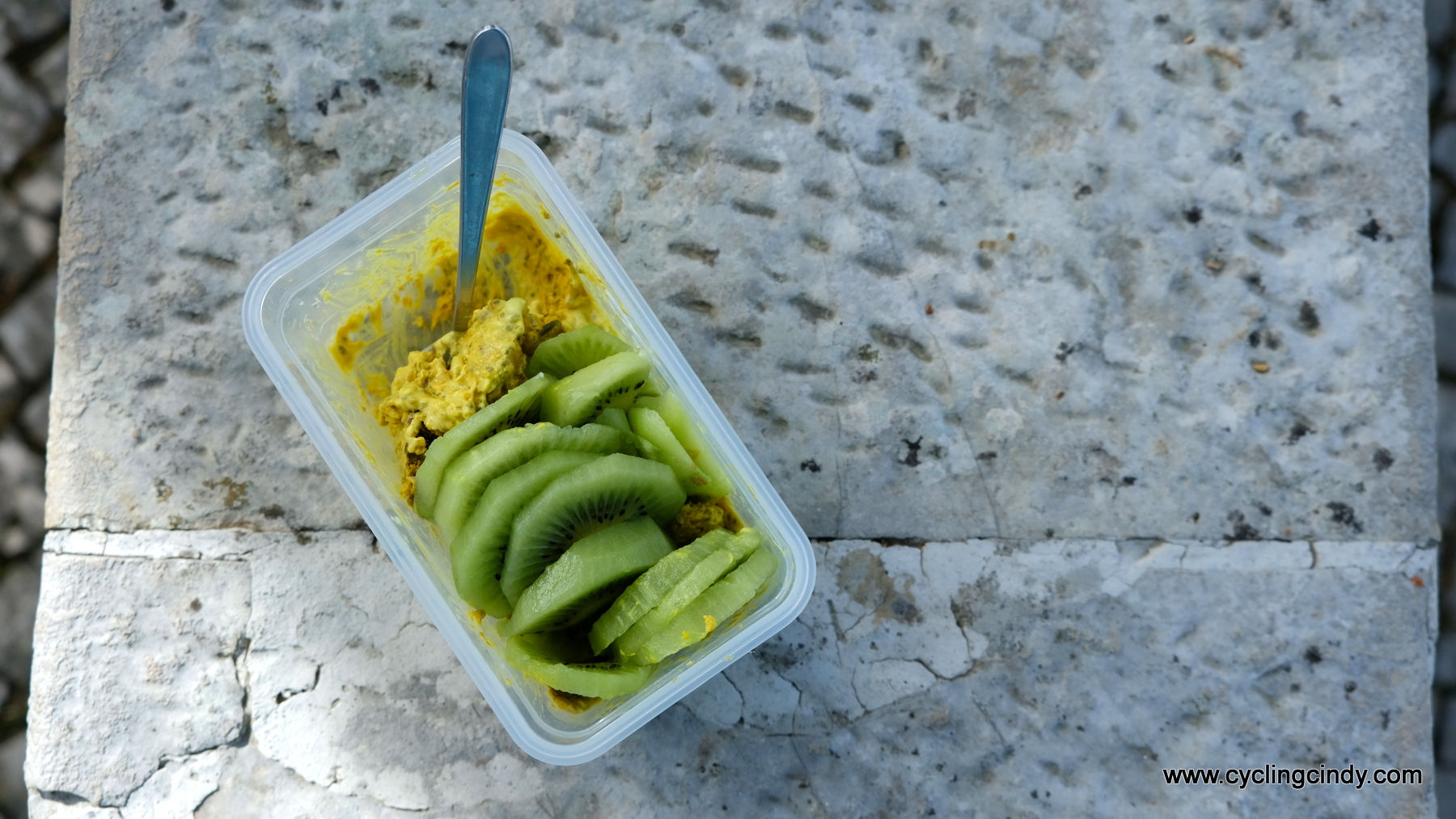
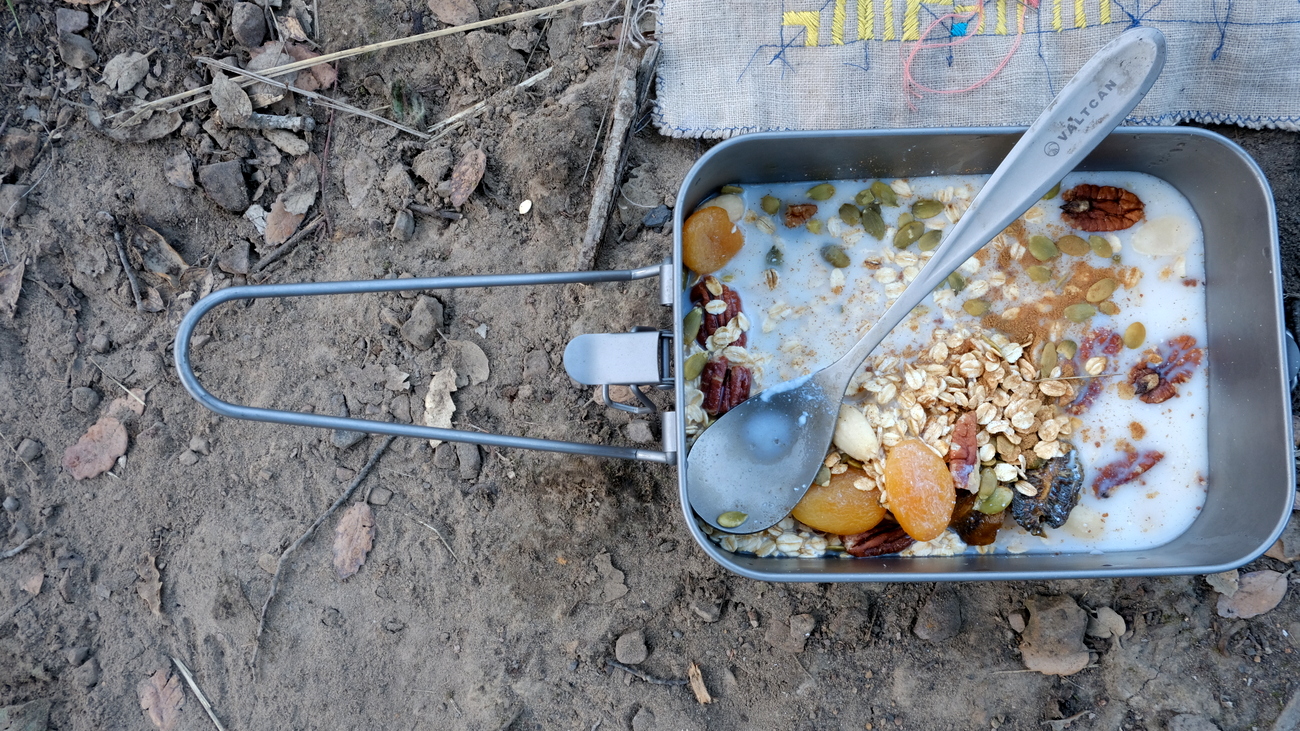
I wanted something to soak grains, seeds and dry fruits overnight. Using a plastic clip box didn’t feel good, instead I wanted a lightweight container that would not leak. That is easier said than done: most titanium food containers promise not to leak, but they do. Others, non-titanium containers, are often not lightweight and rather designed more for beauty than functionality. Some titanium containers promote themselves as a pot to cook in, despite their rectangular shape. I had to veer off to online shops in USA to find what I wanted.
A designer with Asian heritage understands the symbiosis between beauty and functionality. He develops titanium outdoor gear and although it was a huge hassle to get products from USA to Hungary, I am glad I did.
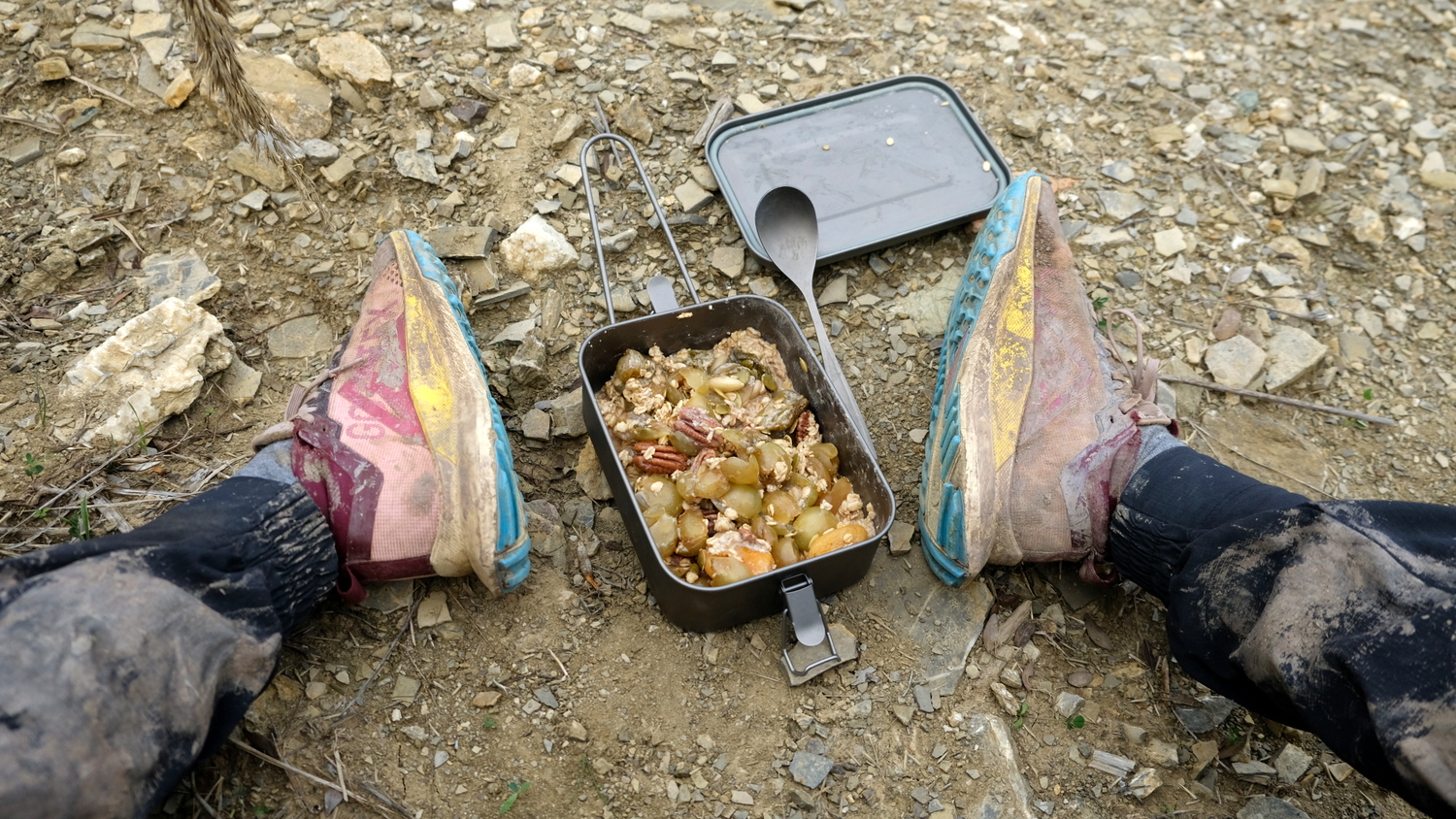
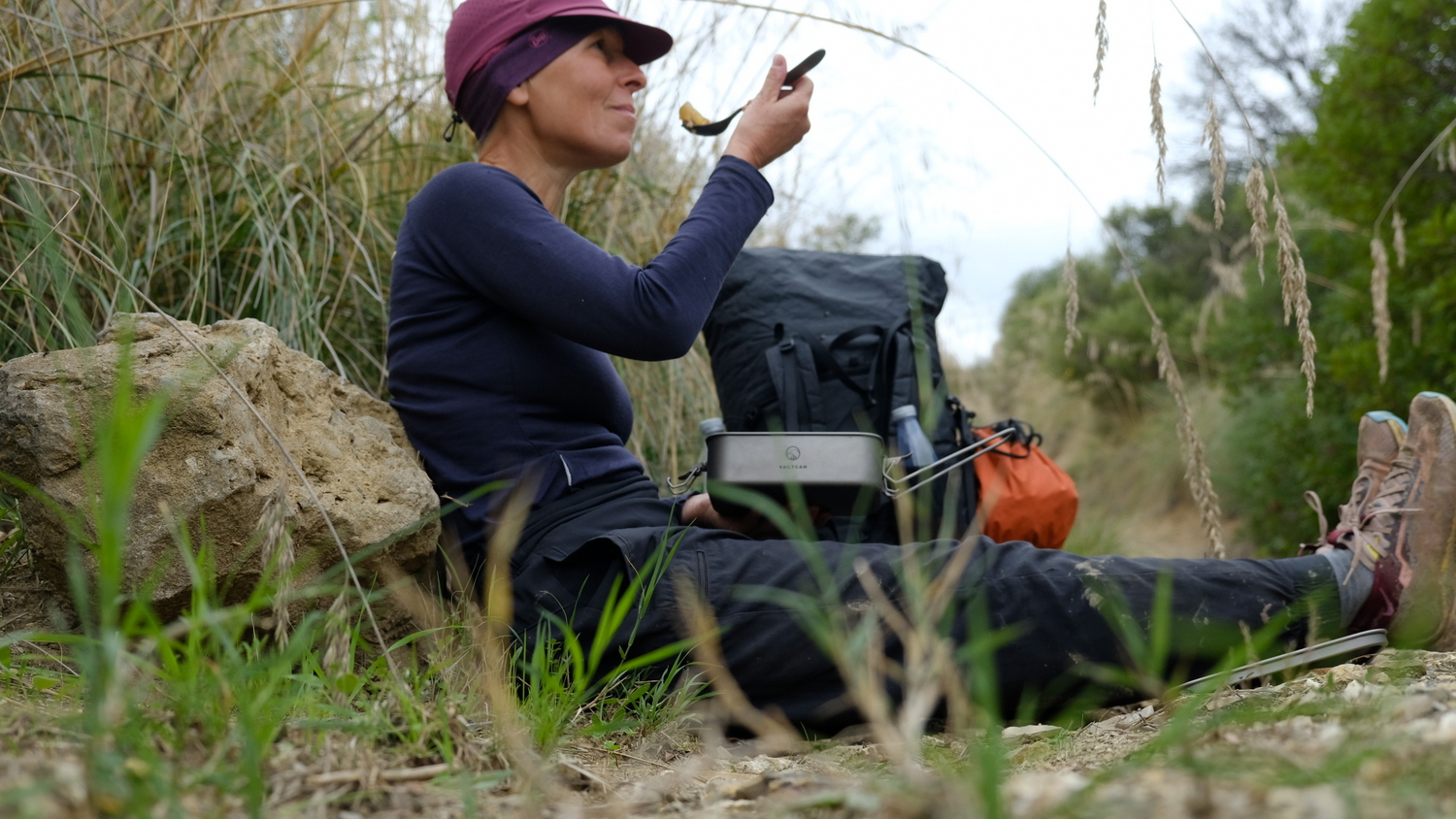
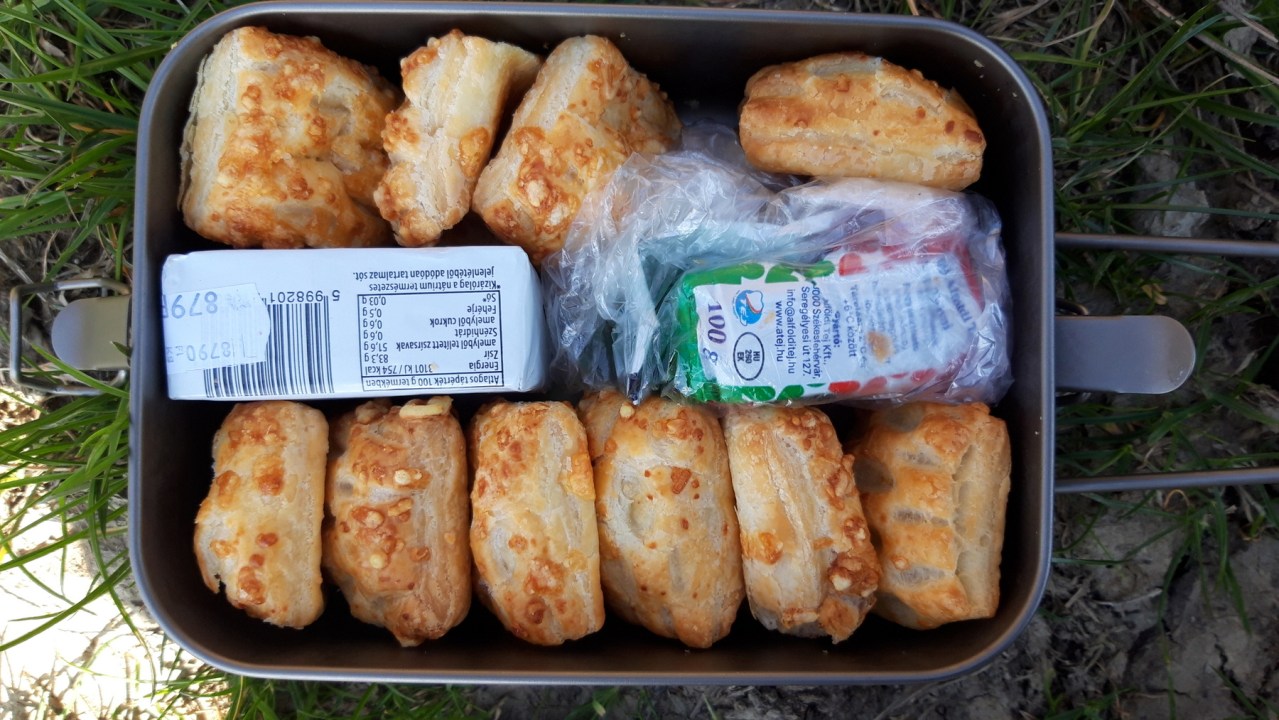
Nowadays I don’t use the bento box necessarily for soaking alone but just as well where it is meant for: carrying food. Either left-overs, excess preparations and general food items.
the bento box does not leak, not when it has liquids, not when it is placed upside down or at an angle
the rubber ring placed into the lid can be taken out and washed
lightweight, functional and beautiful
the two clips hold the lid securely in place
easily cleaned
carrying it into a backpack makes also for food that isn’t a mess nor flattened by weight and bulk
The personal back and forth writings I had with the owner of Valtcan made this a very helpful and trustworthy experience. Even in times of much bureaucracy at the Hungarian immigration it was his patience and help that got the parcel eventually through.
So, is a bento box important?
I did years without it. Using a MSR Seagull pot with clips did a good job if it came to nesting gear into it, but it wasn’t leakproof. Starting out with a melamine, plastic lidded bowl turned out unhandy and rather obsolete.
Sure, a bento box is not for cooking, and carrying one only makes sense if you use it. The several functionalities I use it for made it worth the price and effort to get it to Hungary.
The comments below do not refer to this post. The weblog is full and I have to overwrite posts.
An overrated name for a bread but besides that, a very welcome change! When you have had enough fluffy bread, walnut sourdough, chapati’s, baguette and whole grain healthy staff of life, or when you need just that little bit of difference in your daily diet, and you have the luxury of an oven or something alike, try the Life Changing Bread.
Simple ingredients made special by carrying some basics
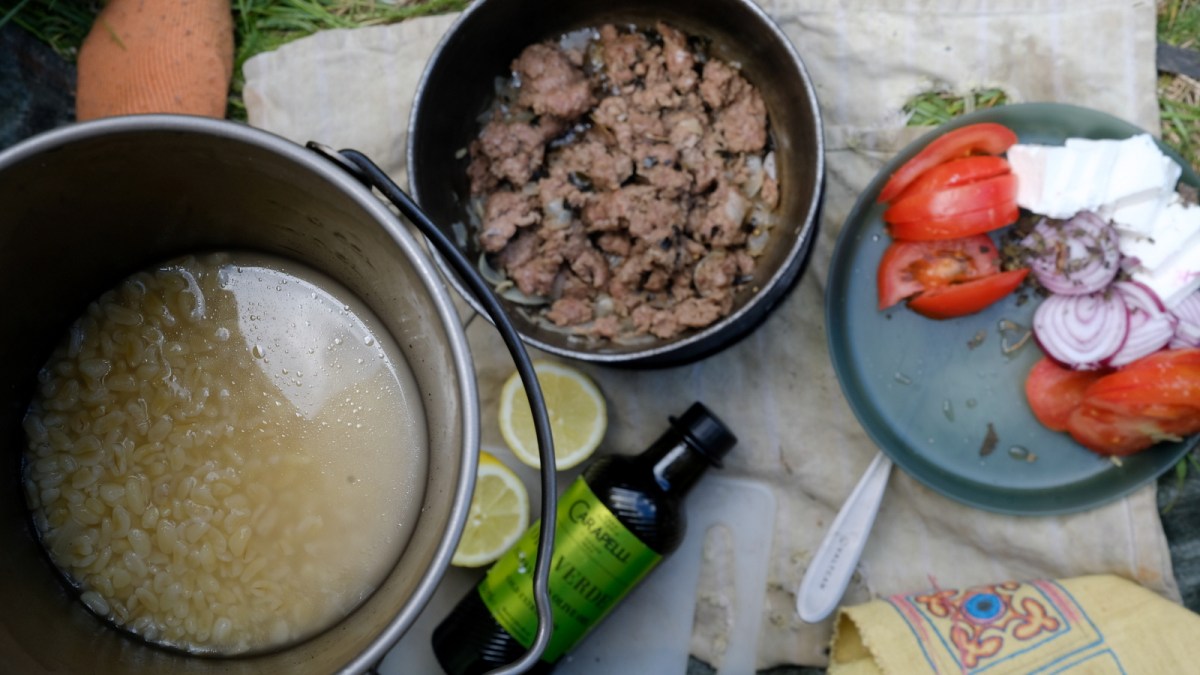
A small bottle of good quality olive oil is comparatively heavy but it adds so much to your meal. Together with some herbs and simple ingredients your food while traveling gets a real boost. At least, mine does. For me no more spaghetti and sugared tomato paste EVER!
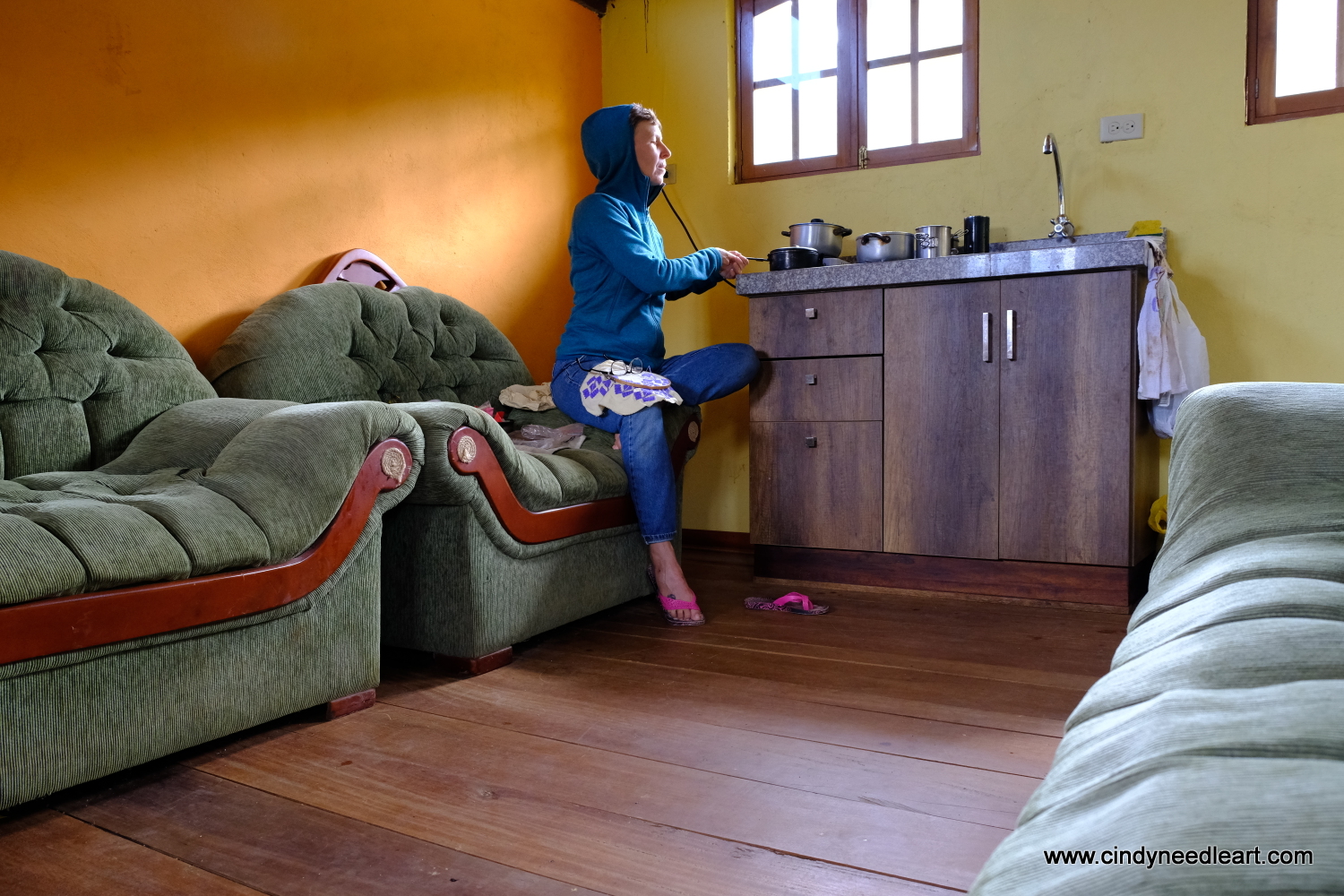
By no means a camping food but when you find yourself having a kitchen, however simple, you can enhance your bread a lot.
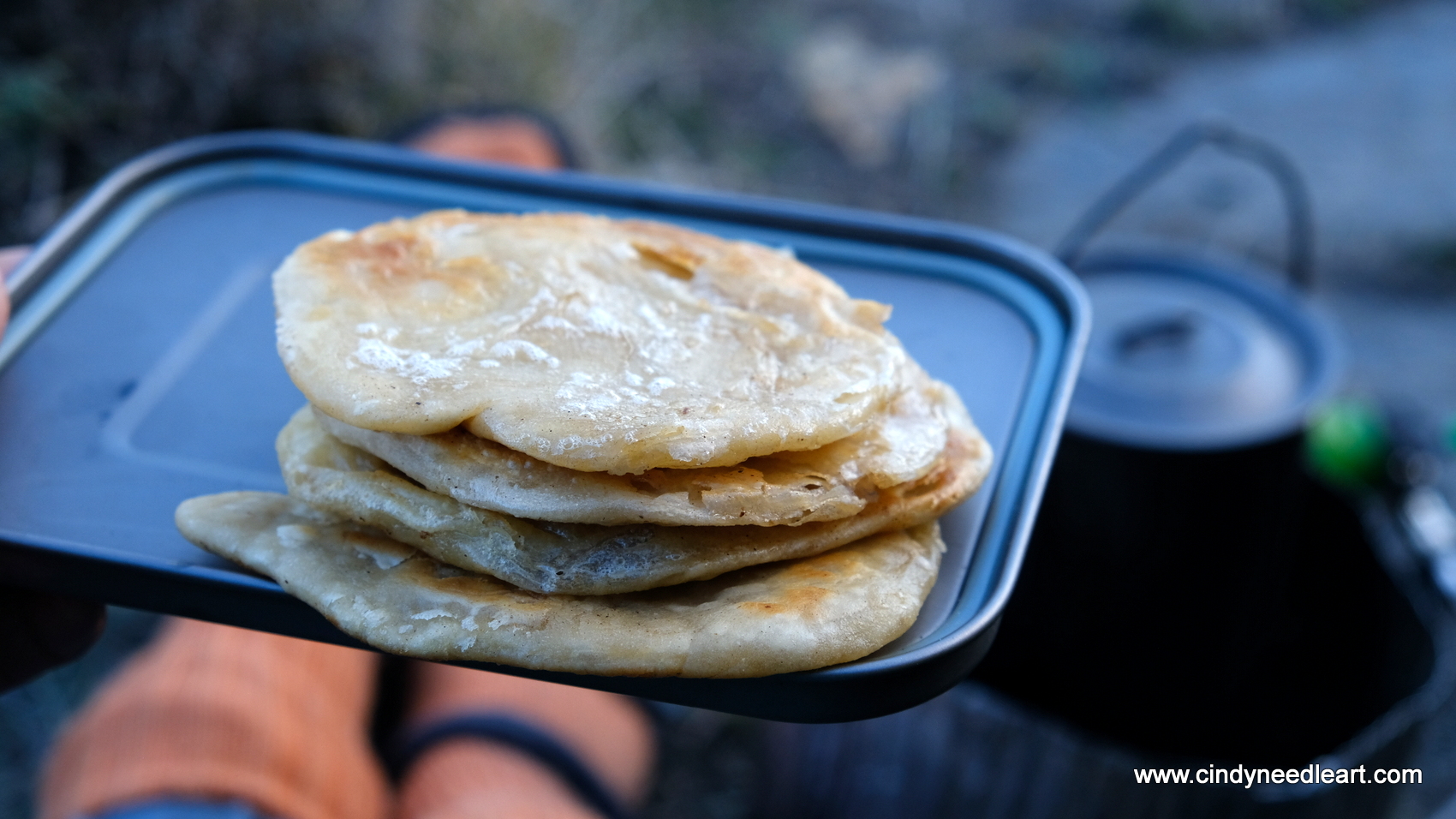
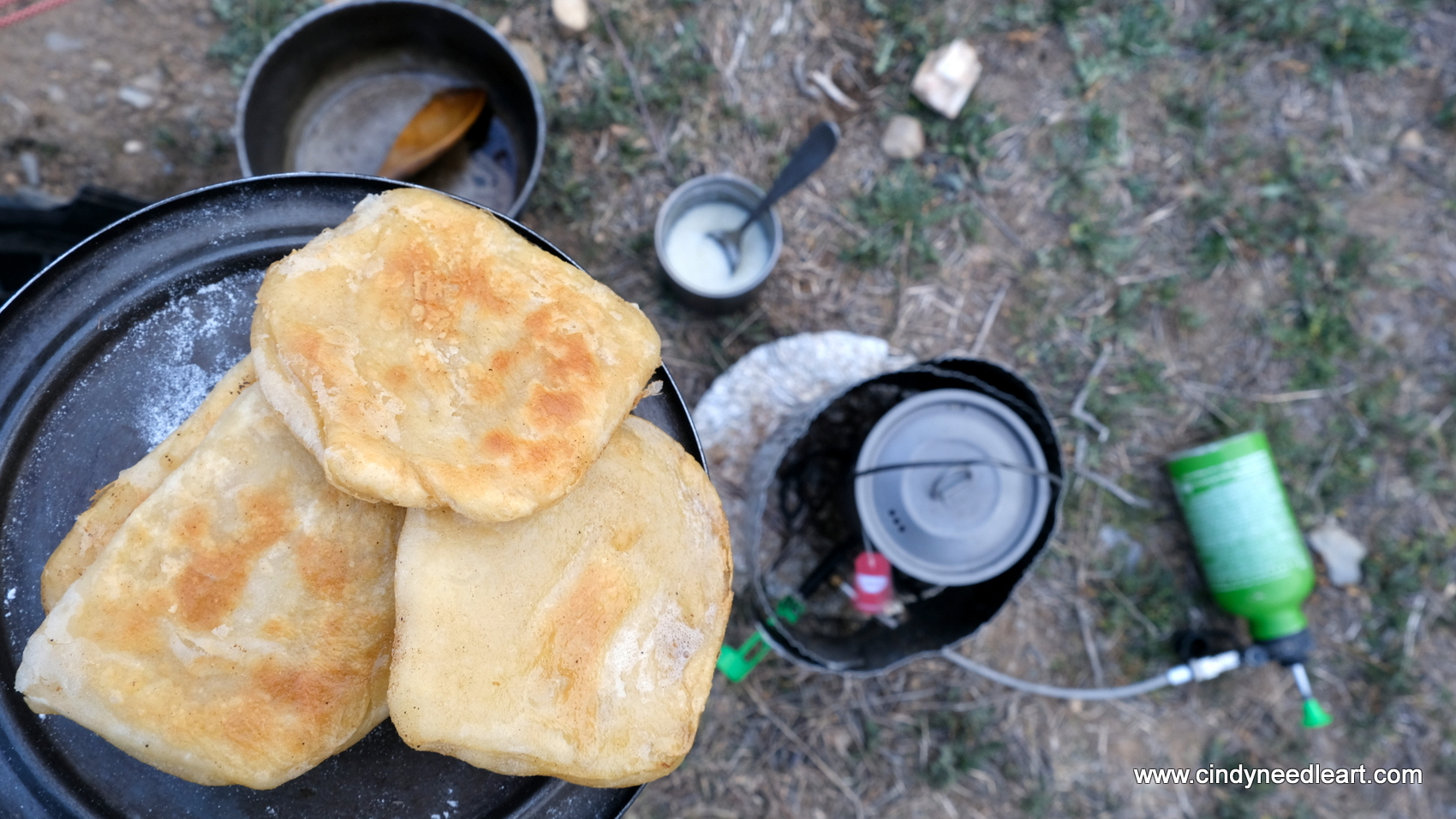
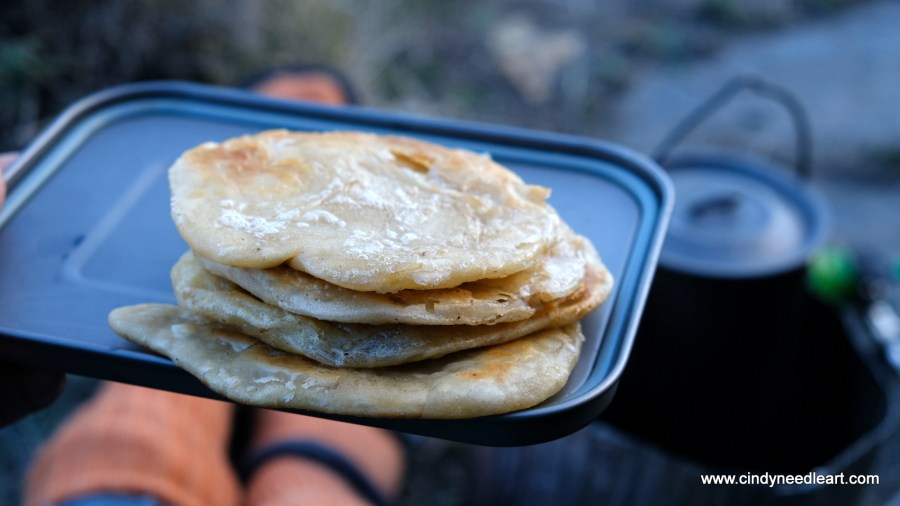
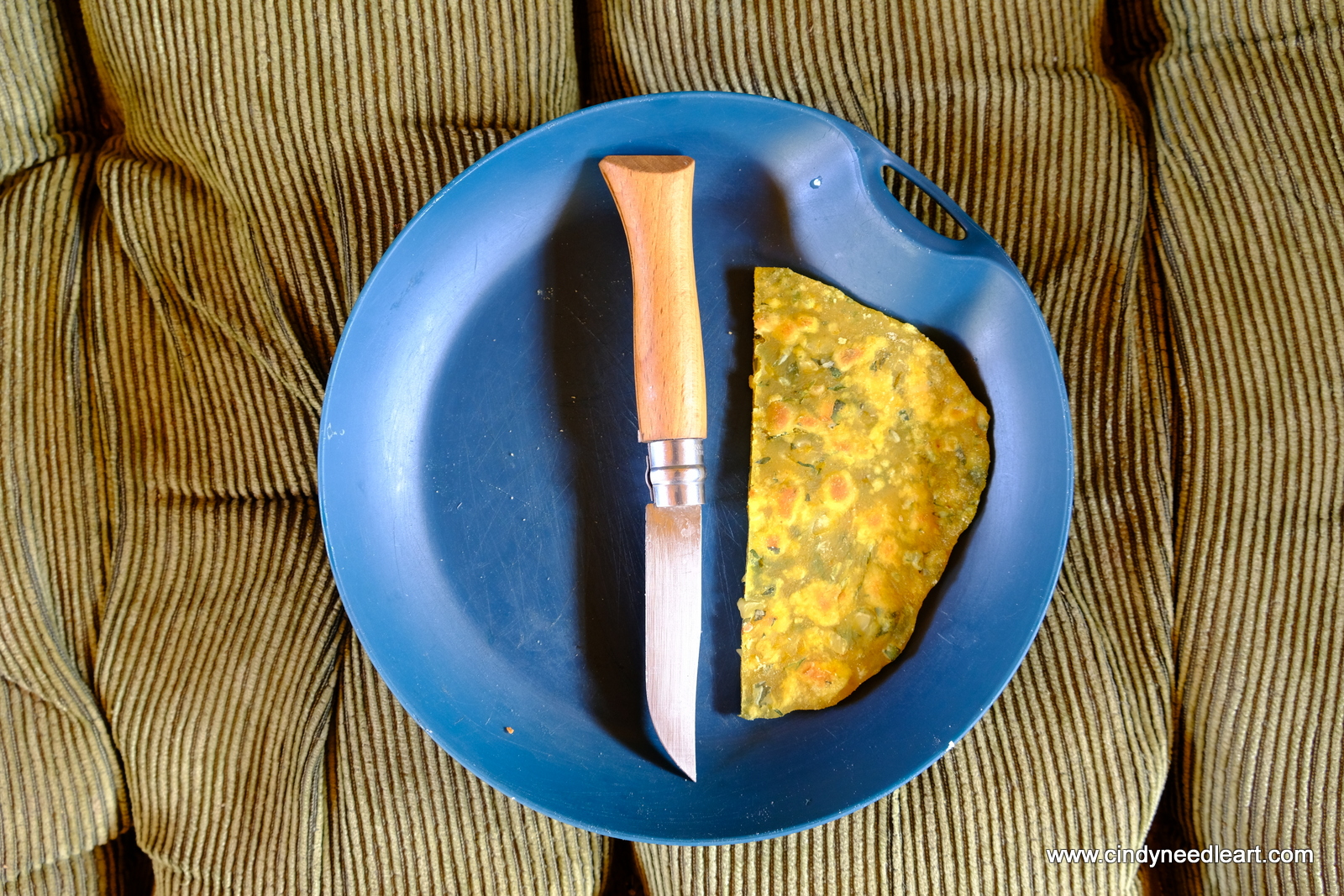
Thepla’s are something in between a chapati and a paratha. The recipe I mention here is not the exact one but comes very close and you won’t need things you can not easily get without a supermarket and full kitchen at your hands. You do need a rolling pin, but I used a cup. It’s a lot of work but super delicious.
You need:
wheat flour
salt
some (preferable Greek) yoghurt (I used milk)
cilantro/coriander
spinach (not the woody ends)
garlic
ginger
chilli (I discard the seeds)
Preferable some spices such as turmeric, chilli powder and coriander powder
oil
water
Cut the coriander and spinach, along with the garlic, chilli and ginger as small as possible. Mix together with the salt, spices and yoghurt. With very small increments add the water to form a sticky dough (I use a spoon or fork). Add water very careful and very little by little. The spinach may be moist a lot already so you need not as much water as you would think. It will be a sticky moist ball.
Let it rest for half an hour and preferable covered by a tea towel.
Form smaller balls.
To flatten them you need some wheat flour to avoid sticking the thepla’s to the surface. Here I used a cup to flatten them into small rounds of about 10 centimeter.
Place them in a frying pan. While one side is getting ready, place one teaspoon of oil on top and spread it out. Then turn the thepla and repeat the small spoon of oil by spreading it gradually over the other side of the thepla. When little blisters appear, it means you are doing it good. Flip back and forth a few times.