
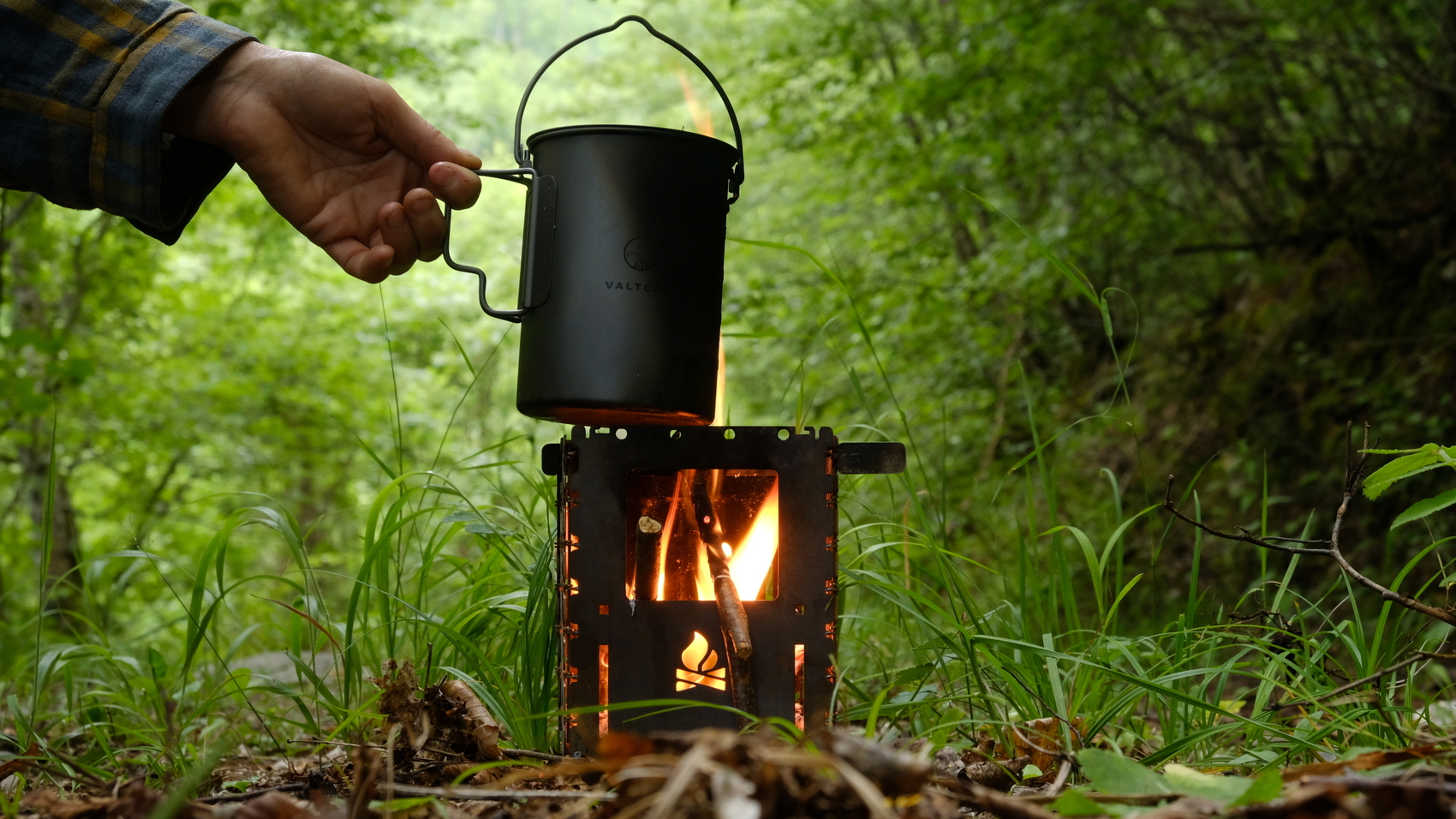
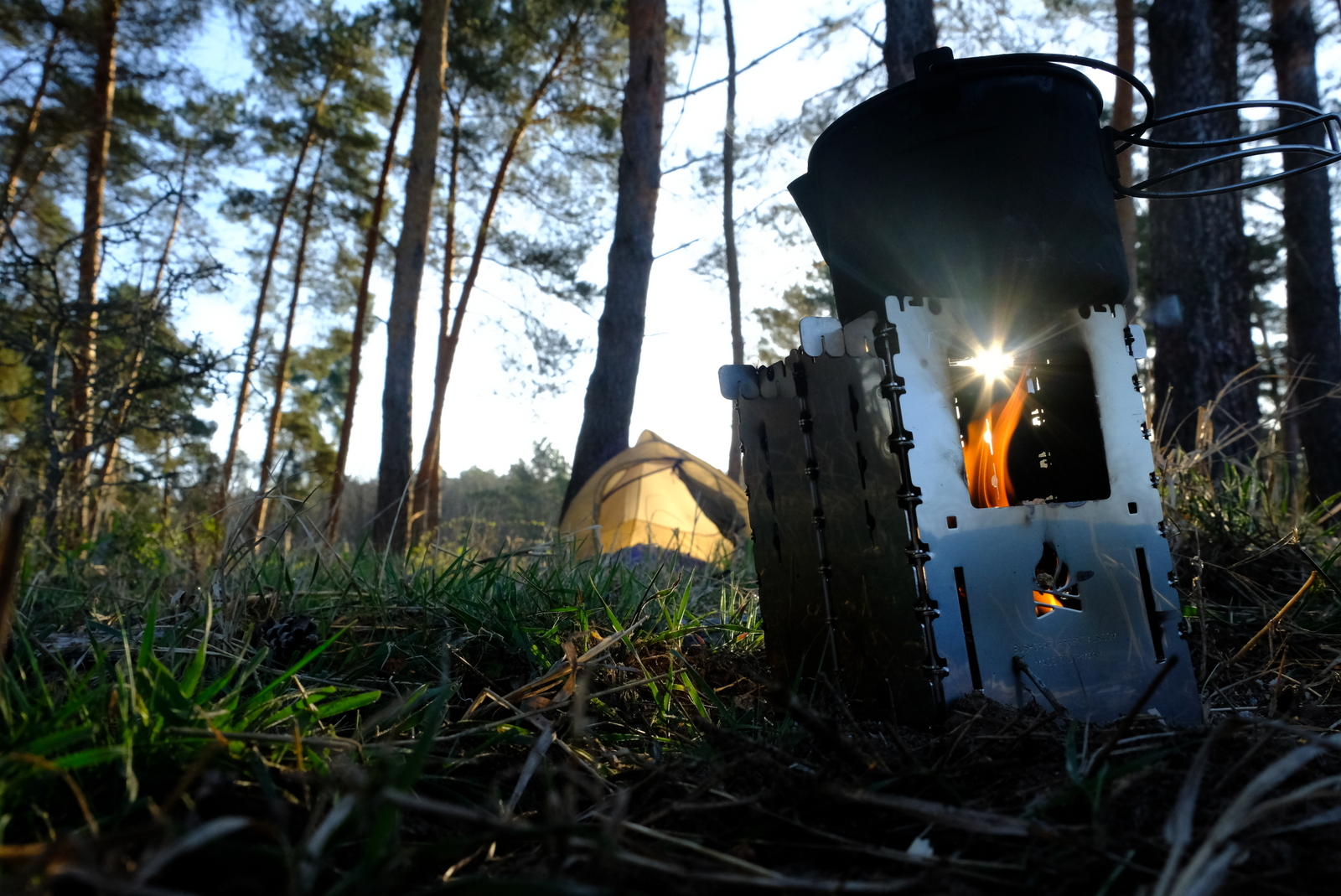
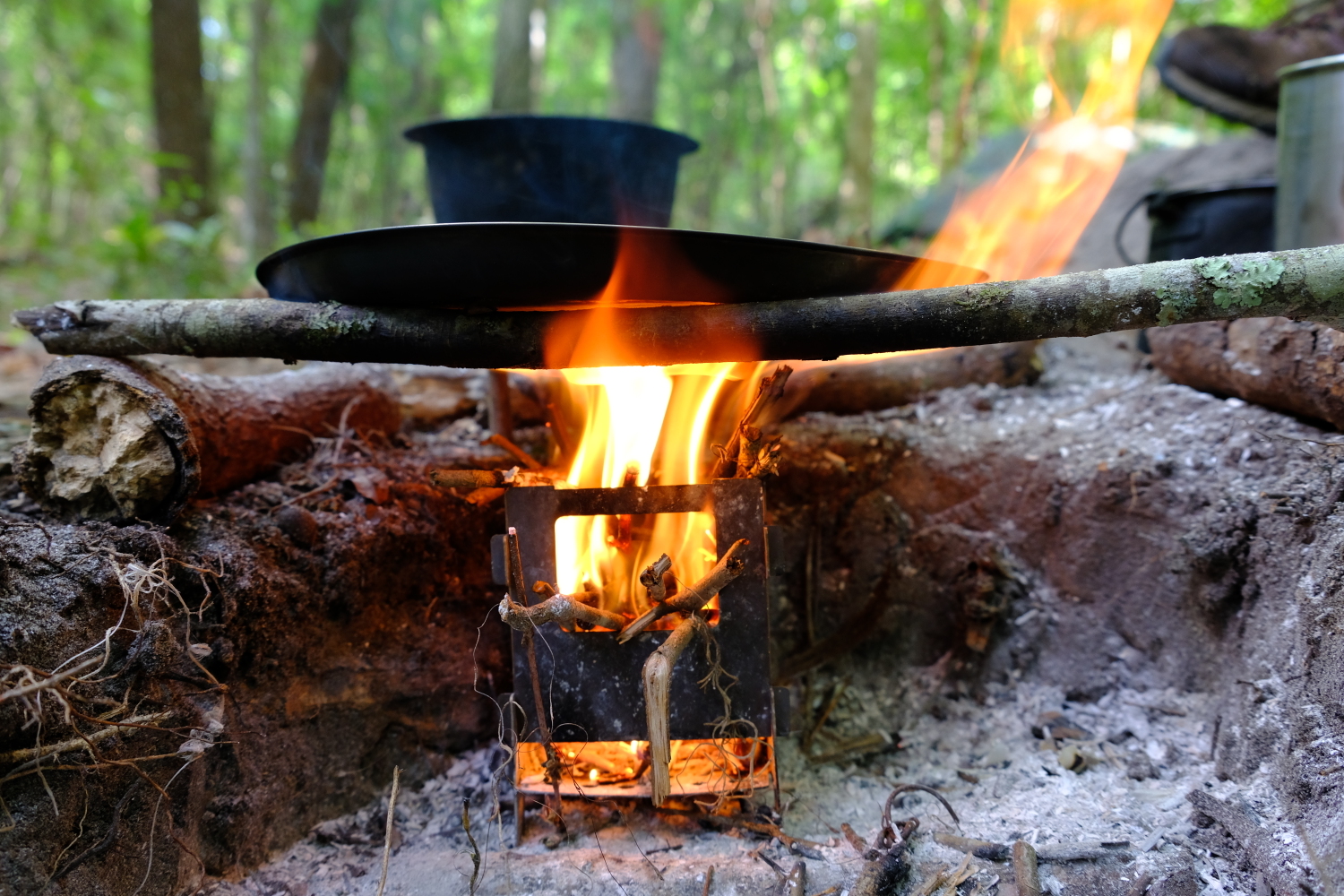
Not always, but often I like my camp experience to last until late morning. Having a small fire and preparing tea while simply resting and embroidering, is pure enjoyment for me. Nowadays I have a few options to choose which stove to take along. A journey with kickbike, bicycle or hiking trailer asks for a different stove, when the weather permits. And the option I like a lot is the Bushbox XXL.
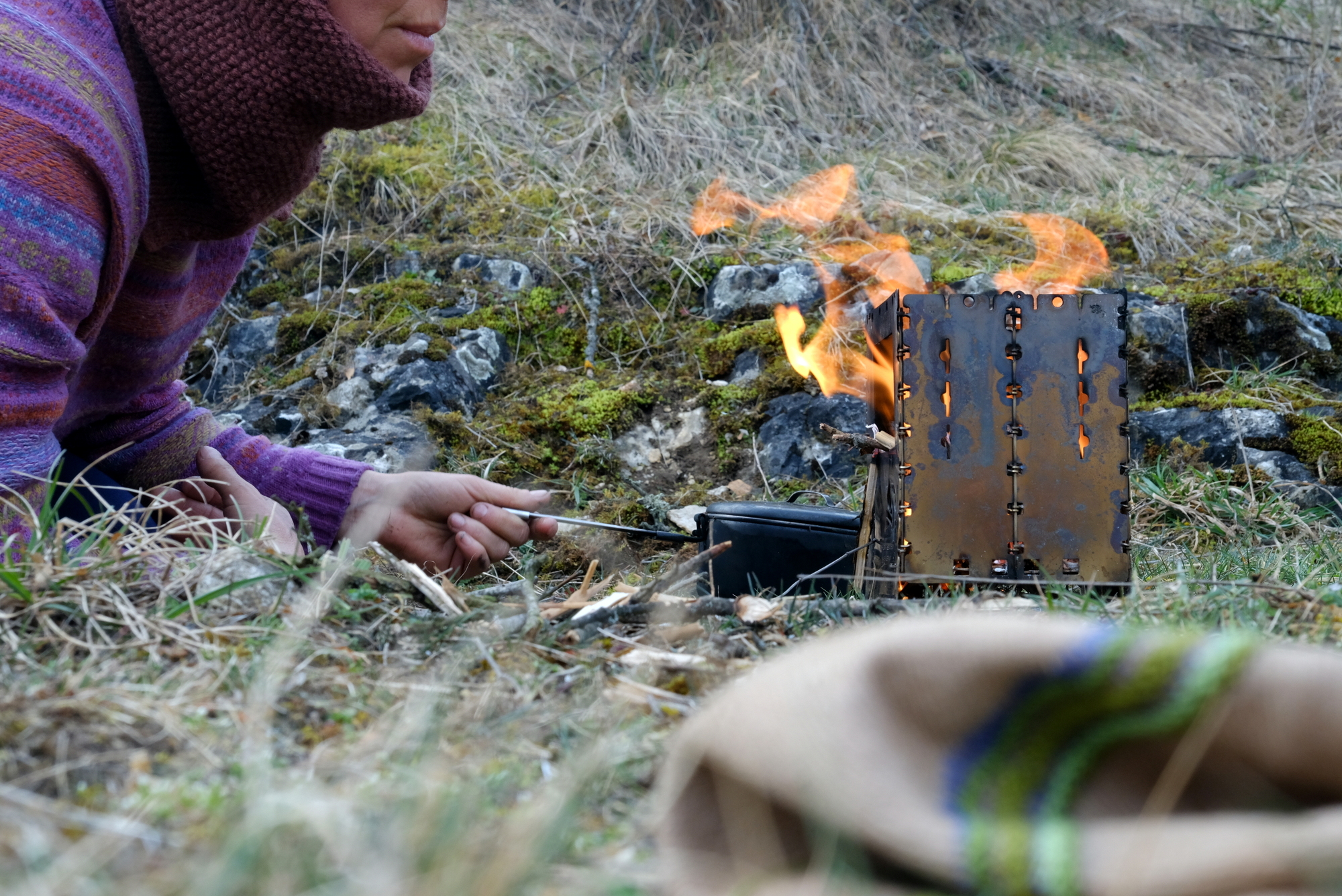
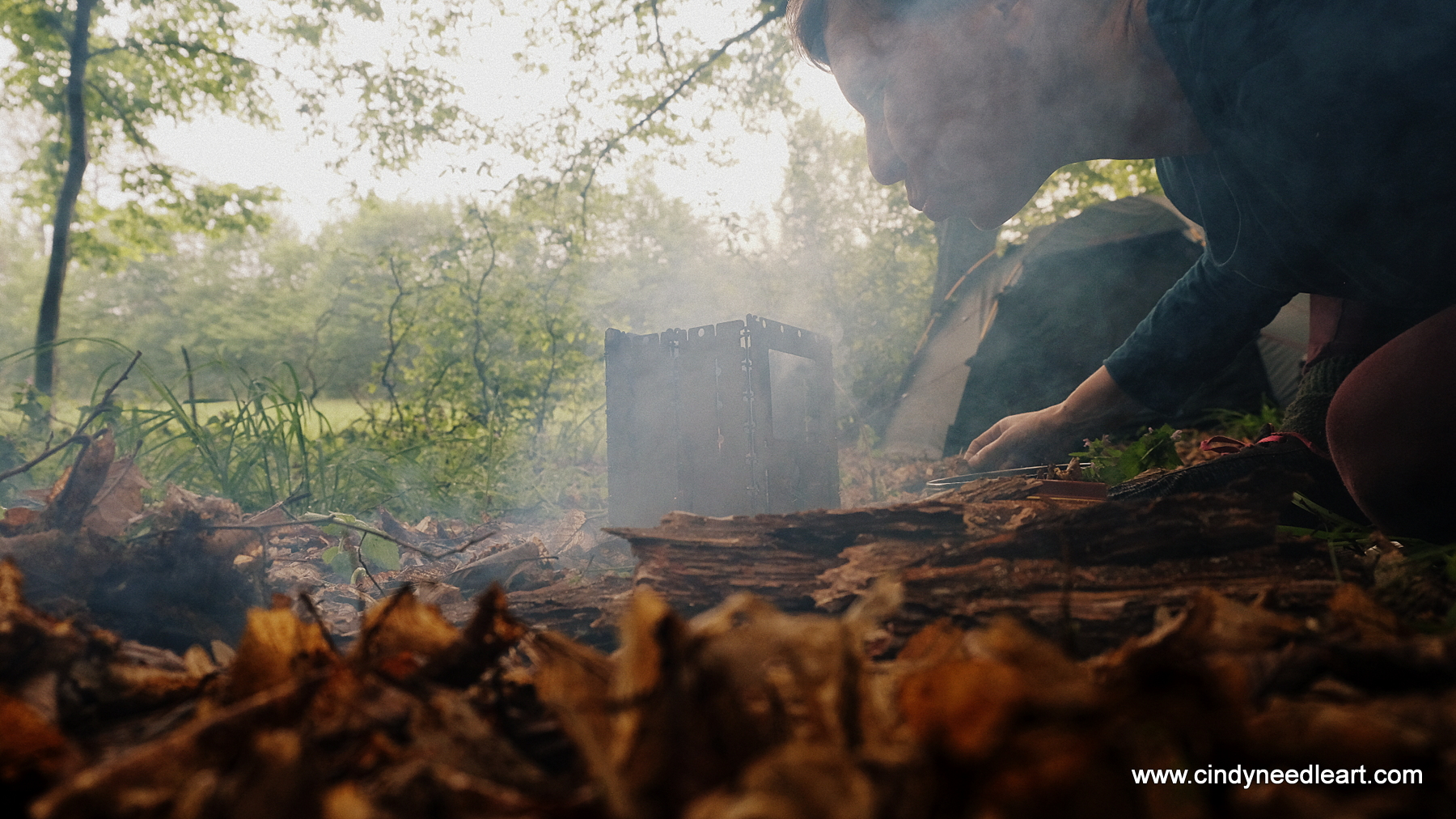
I have noticed that when on shorter trips just one-stove-for-all does not keep you satisfied. Not because buying and gathering more outdoor stuff is making you feel good but because you want to go with the season you’re in. Rather than carrying a bulky cumbersome stove it is also very pleasant to be able to move more within the nature you are. Of course, a plain fire will always do the trick and I often switch to this as well. The Bushbox makes it very easy to start a fire and later on tip the box over to enlarge it to a real camp fire.
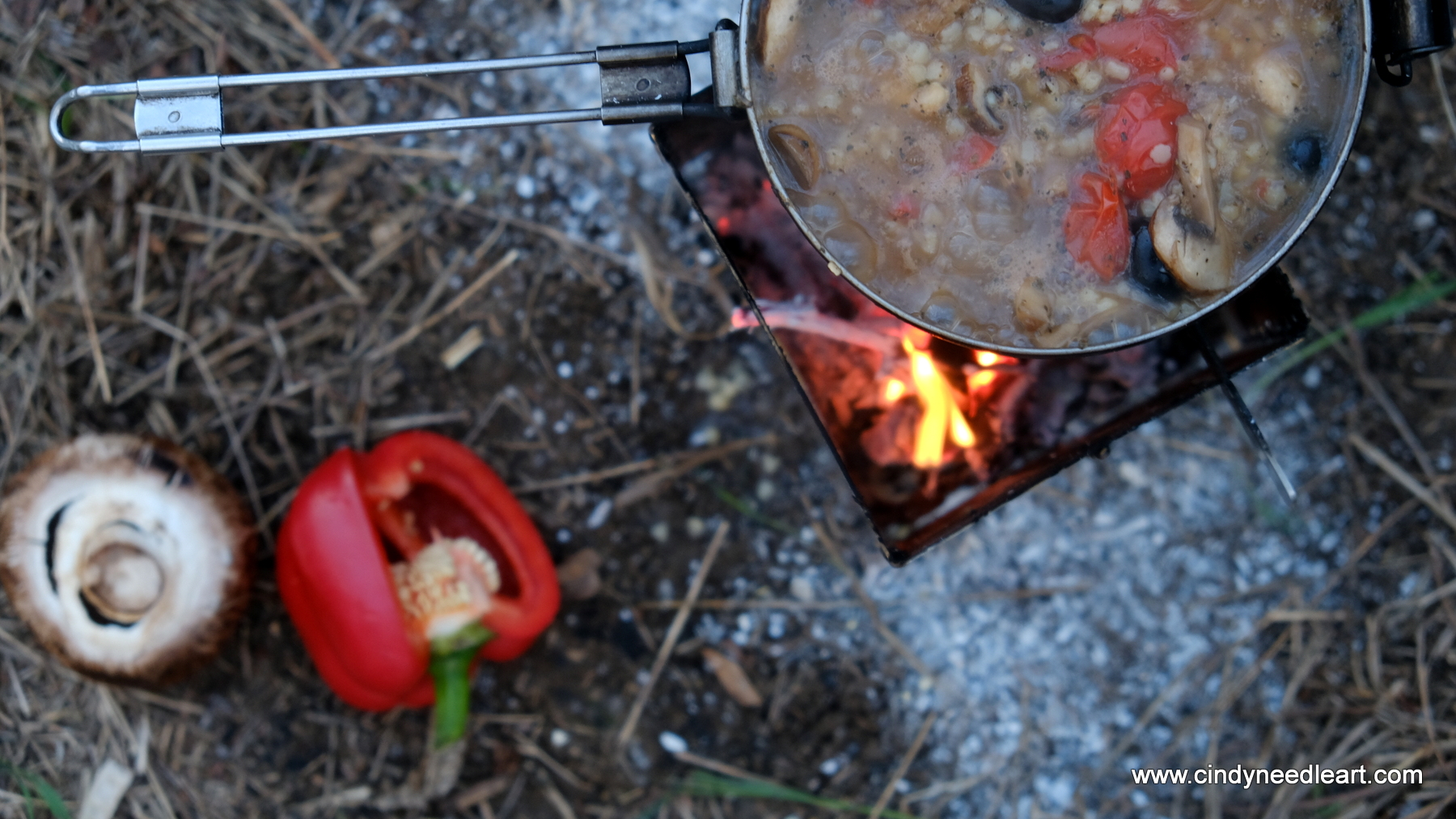
- I started out with a pocket stove from the same brand and although it works perfect I rather wanted one that needed less continuous attention to keep the fire going.
- In handling the pocket stove my hands got blackened by sooth, which is not easy to clean. The pocket stove needs assembling and taking apart before and after each use, the Bushbox XXL not.

The positive sides of the XXL
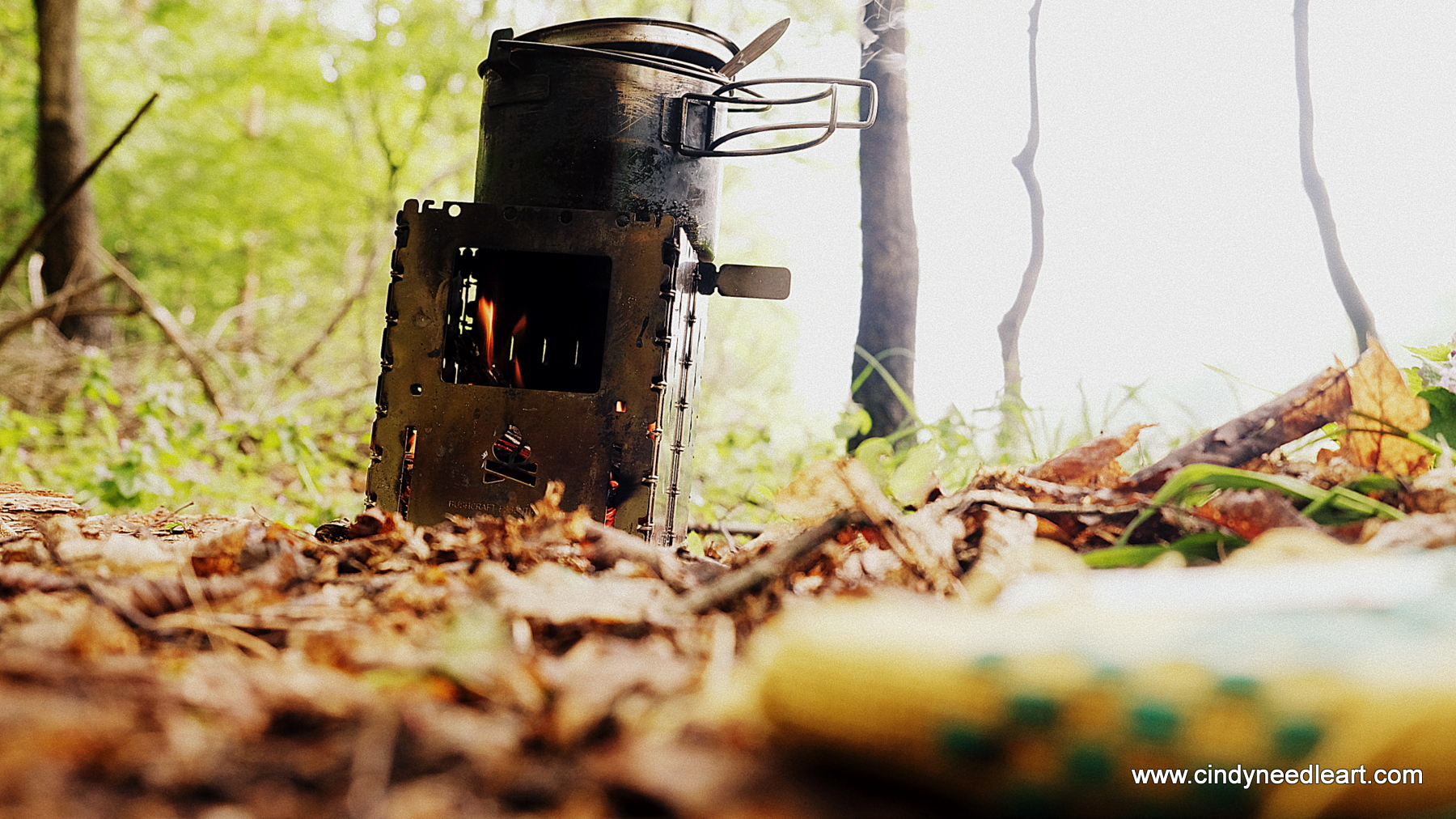
- The XXL stove hangs together on hinges and it flaps automatically into place with very little effort
- I haven’t noticed much warping
- Hands doesn’t get by far as dirty from sooth by handling this stove
- The fire needs less continuous attention to keep it going, because;
- the bushbox can handle bigger pieces of wood
- Hardly any risk of a pot tipping over while balancing on the bushbox stove, because it is;
- stable
- It doesn’t need any spare parts nor cleaning
- It folds so flat that you can take it with you on every occasion as it really takes no space
- German quality is still one of the better qualities
The downsides of the XXL
- The price
- It’s weight (a kilo)
- The pouch it comes in is not much of a quality
Would I buy this one again?
No. I would go for the Bushbox titanium XL version instead.
A short summary about other cooking possibilities, especially when you are going for much longer and can not come back to a home base to change your stoves. Also, when I cycled for 5 years, I relied on one stove but at times had to improvise.
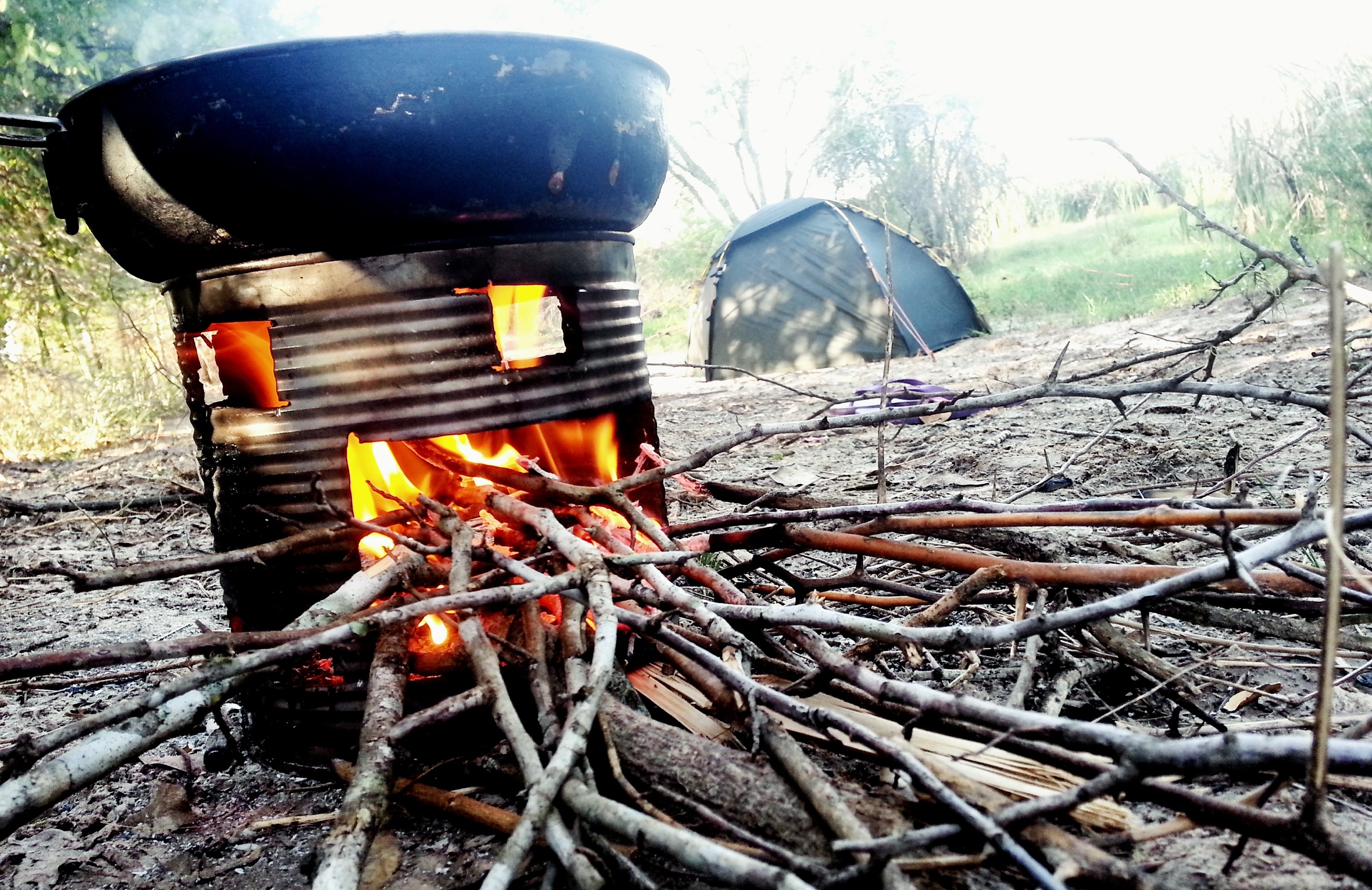
Hobo stove
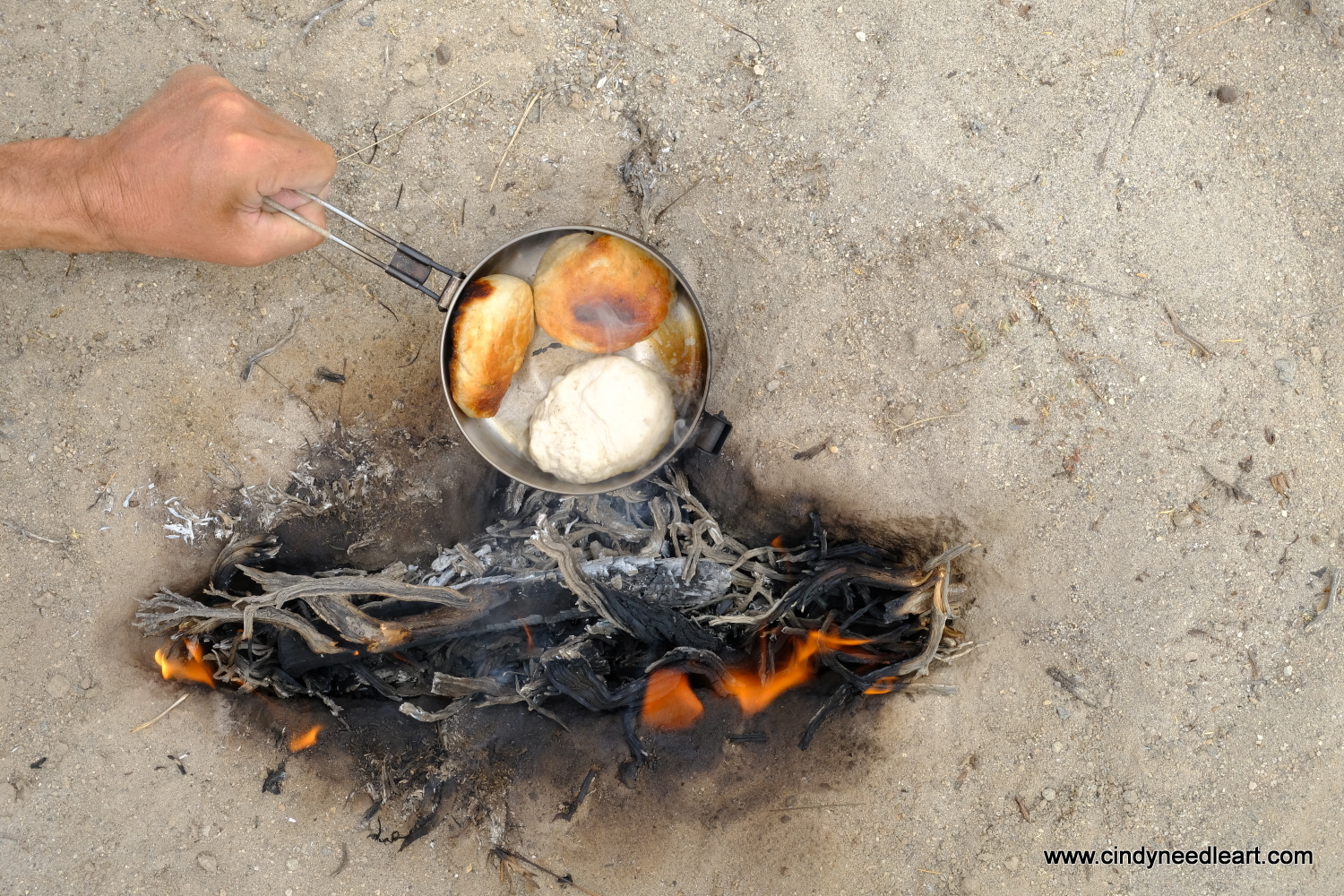
During the late 19th and early 20th centuries—especially the Great Depression—hobos (migrant workers who traveled by rail) often cooked with improvised stoves made from tin cans, buckets, or scrap metal. These stoves were portable, easy to make from trash, fuel‑efficient, using twigs or small bits of wood and durable enough for life on the move. That’s why I choose this option when my Optimus broke down.
When you are low on cash I would certainly get a hobo stove, which costs literally nothing. Mine was made in Paraguay for free. At the same time I had an alcohol stove made as well.
Gas cartridge
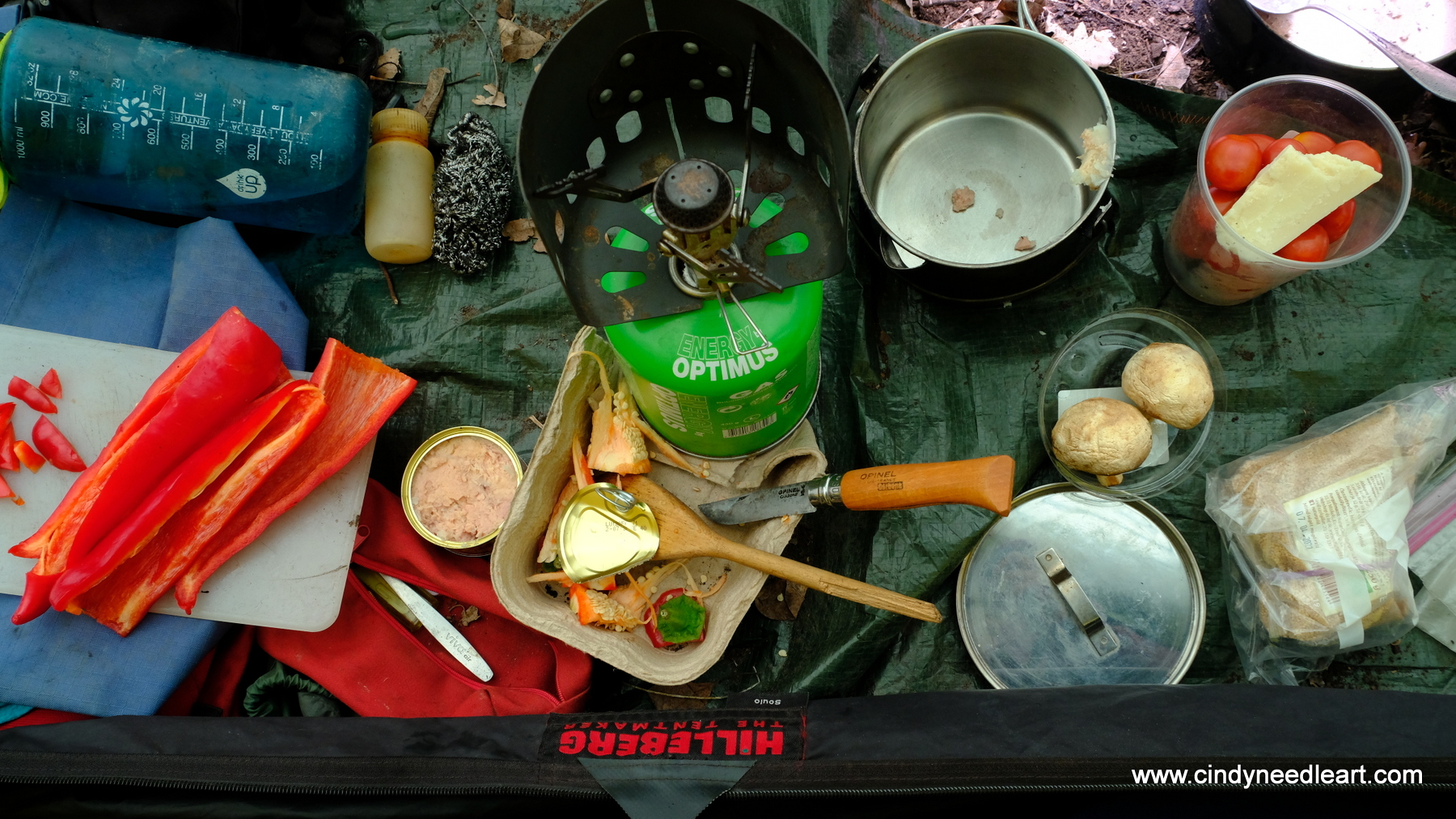
When you are counting the grams and want to be secured of always a source of fire, I would go for a gas stove. But this only makes sense when you are in Europe and automatically often near bigger towns to buy new cartridges (in ‘China’ shops, hardware stores, builder markets, Decathlon and perhaps hunters stores as well).
Gas cartridges are existing in small sizes (100 gram) but you’ll find them often available in a size that isn’t lightweight compared to the burner head.
Multifuel burner
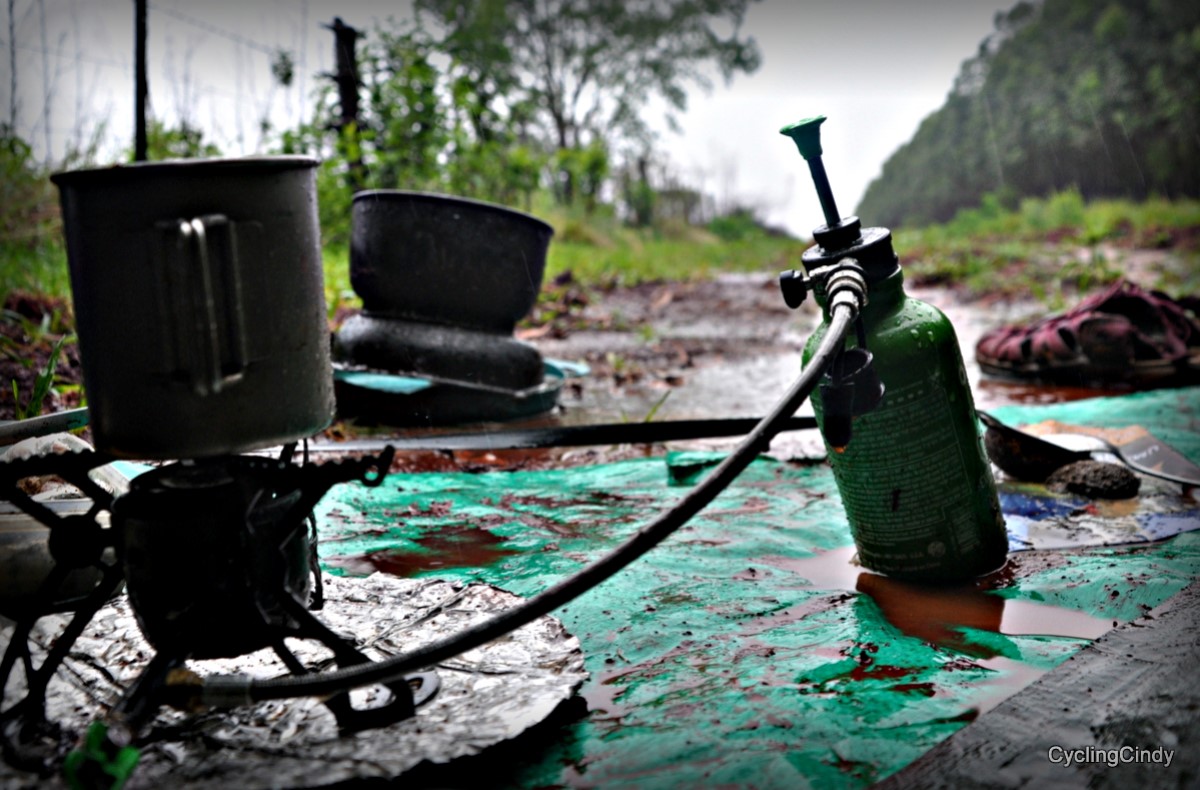
For a long journey I definitely choose Optimus Nova multifuel again. Back when I got this stove I was even impressed with the pouch it came in. I always used gasoline and when I get the chance I use Coleman white spirit. When I need absolute certainty and don’t have to weight every gram, this is my choice. I had serious issues with another Optimus stove (Svea 123) while cycling and the service I received from this brand is outstanding!
Bushbox Pocket stove
Geo and I relied on my Bushcraft-Essential Bushbox Pocket stove when we were traveling by motorbike in South America, since we had to count the grams and make do with a minimum of space, but this turned out to be a mistake. Often there weren’t the slightest sprigs of twigs and when there was wood, it often was the altitude and circumstances that made it hard to get a fire going. I needed a gas cartridge or my Optimus multifuel. We eventually found a gas burner-head and a cartridge, but it was a thorough search to locate a shop in South America that sells them.
Alcohol stove
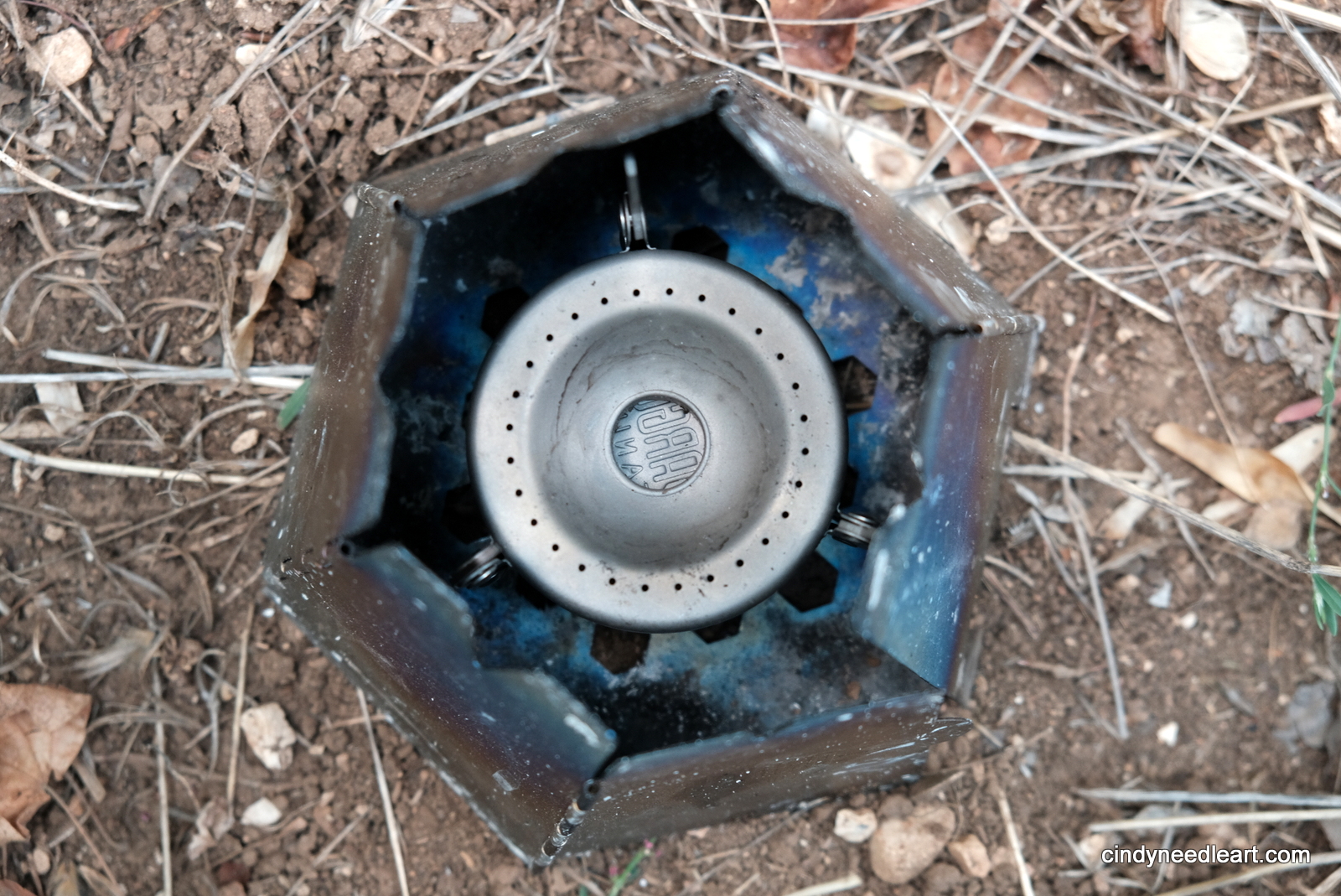
My latest addition is an alcohol burner. I felt it was truly necessary to enlarge my cooking arsenal. When hiking with the backpack my gear has to be absolutely as lightweight as possible. I choose the Vargo titanium alcohol burner (in combination with the titanium hexagon hobo stove). Yet, to make an alcohol burner yourself is a good option.
Ethanol is not always easy to find: try pharmacies and supermarkets (Italy carries them in certain assortment) or like in Hungary, building/outdoor furniture markets.
When things go wrong
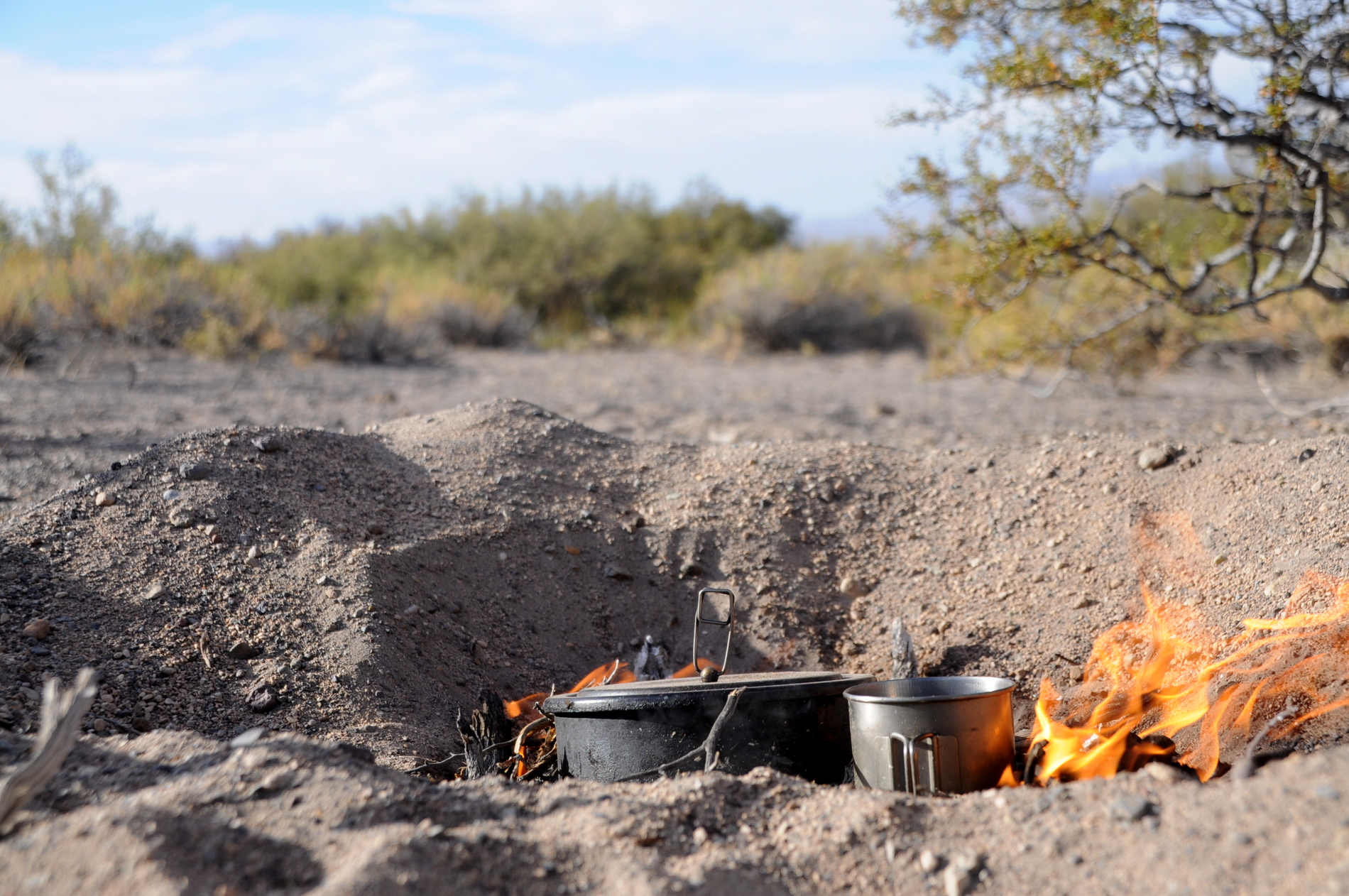
Cycling through the Atacama desert and my Optimus Svea stove refused to spit fire, I was thrown back at the desert supply of wood. Which was precious little. Luckily I soon had my dad come over with new supplies to fix the stove. However, not much later I found myself searching in a Peruvian city for O-rings that the spare part supply package did not contain. When repairing the stove turned unsuccessful I needed to rely on the Paraguayan postal service, an address to send it to, and be present to receive a new stove (these actions don’t always align). This is only to say that one stove is not enough to count on, especially not on a trip that last years. Of course, one gets creative…

 Cycling Cindy