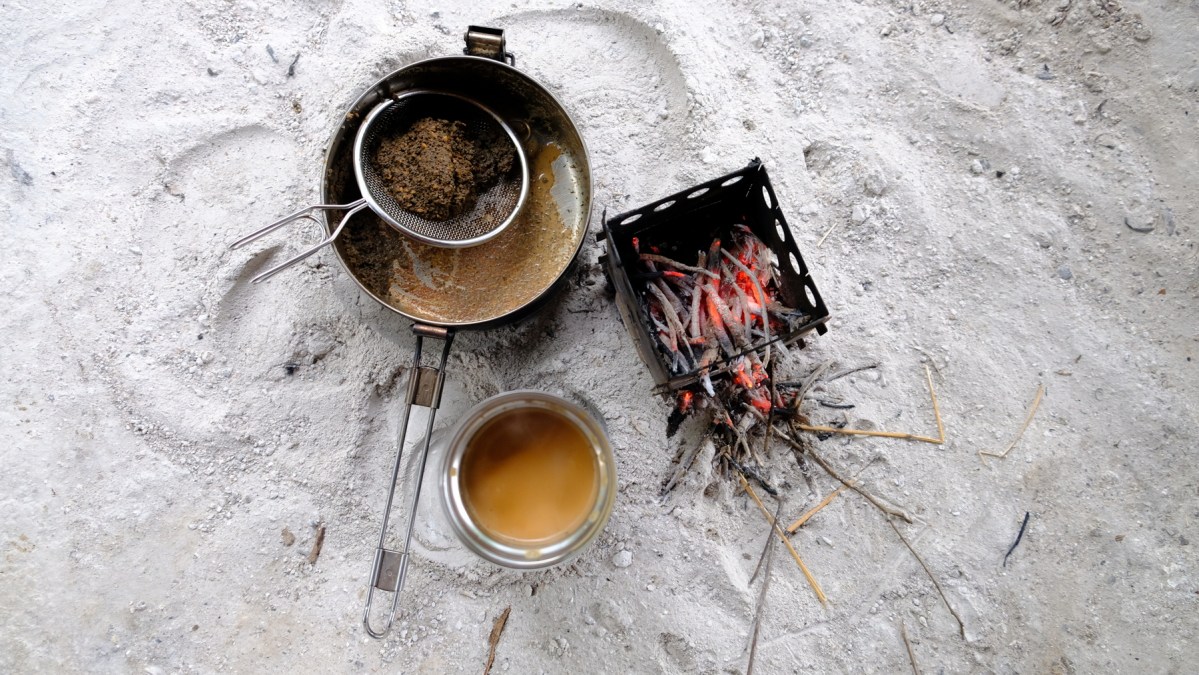
Some years ago, I liked my camp experience to last until late morning. Having a small fire and preparing tea while simply resting and embroidering, was pure enjoyment for me. As of today I have found a middle way in morning time at camps. The most obvious thing that has changed is that I have a home, bringing the choice of which stove to take along. An ultralight hike or journey with kickbike, bicycle or hiking trailer asks for a different stove, depending on the weather. However, in my opinion, there’s no magic bullet for making the perfect choice.
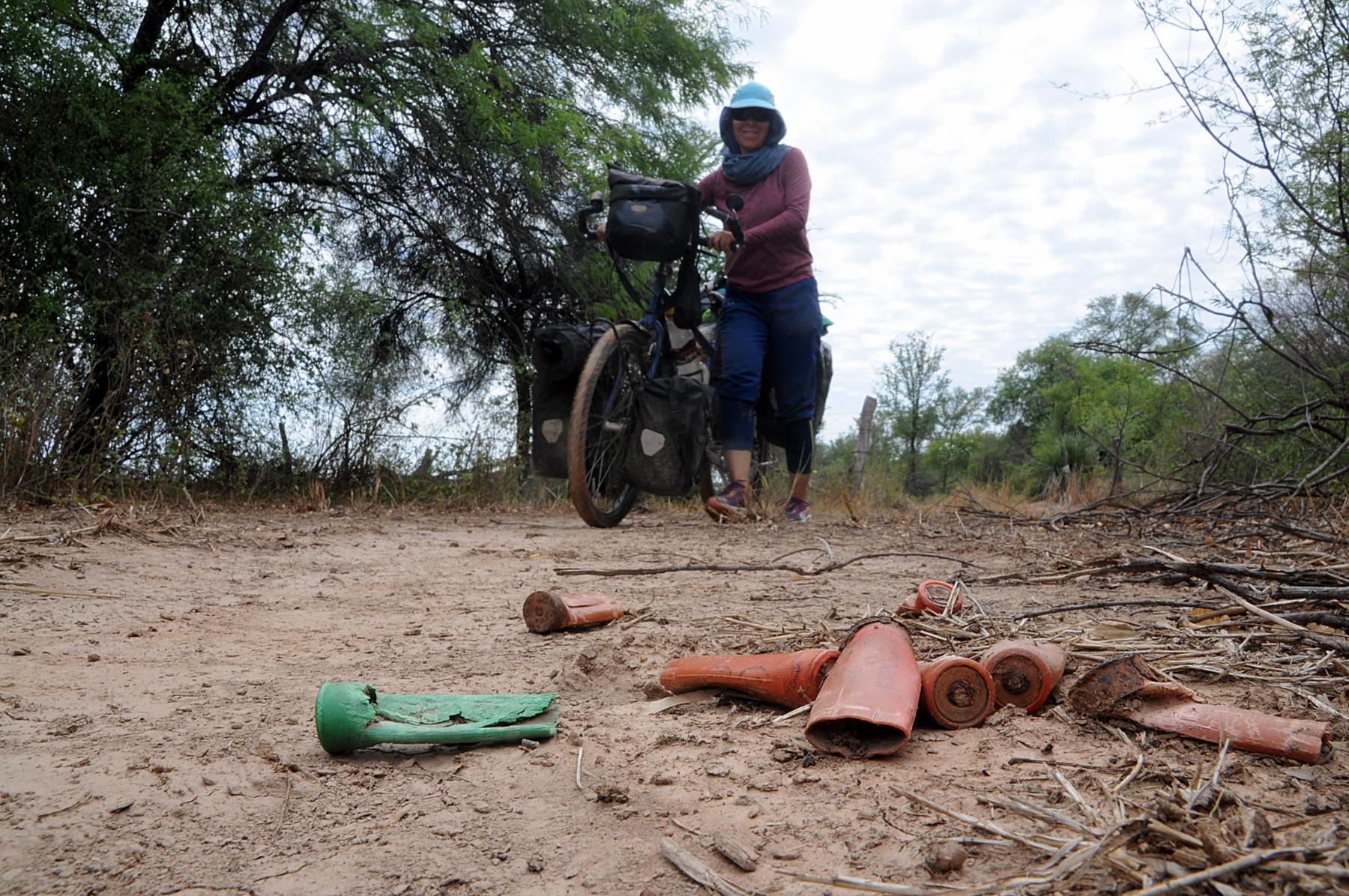
A short summary about other cooking possibilities, especially when you are going for much longer and can not come back to a home-base to change your stoves. Also, when I cycled for 5 years, I relied on one stove but at times had to improvise.
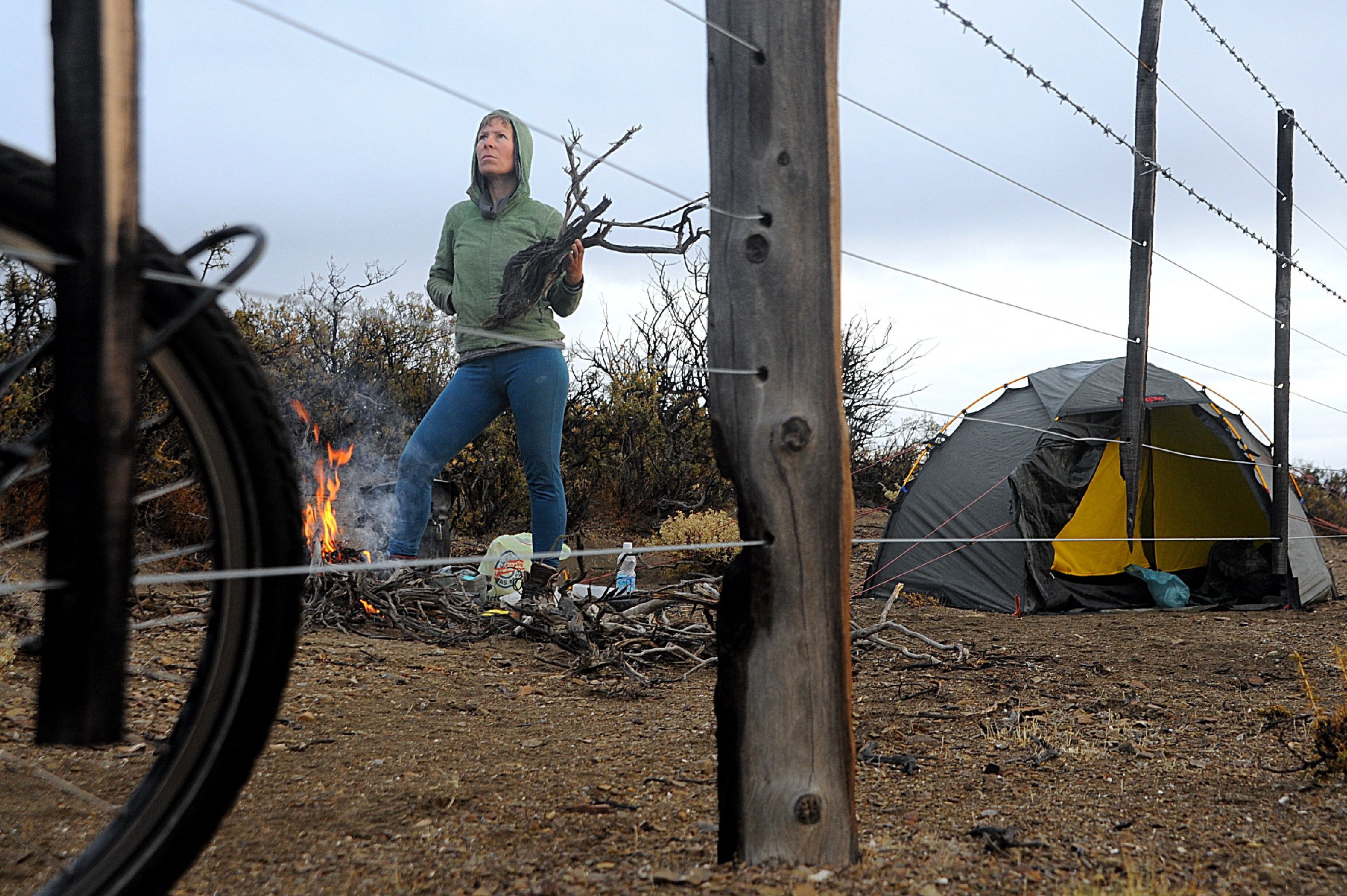
Hobo stove
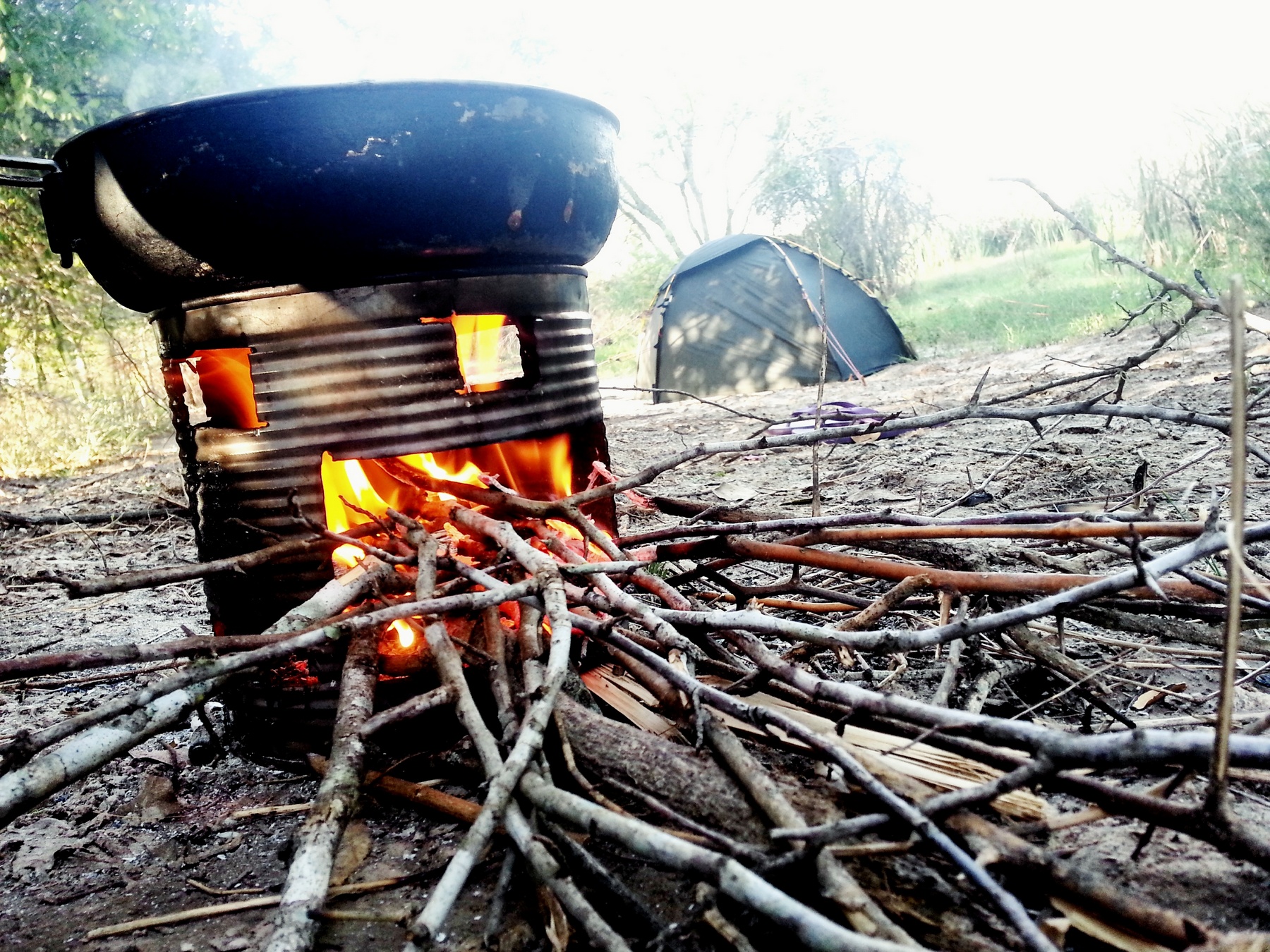
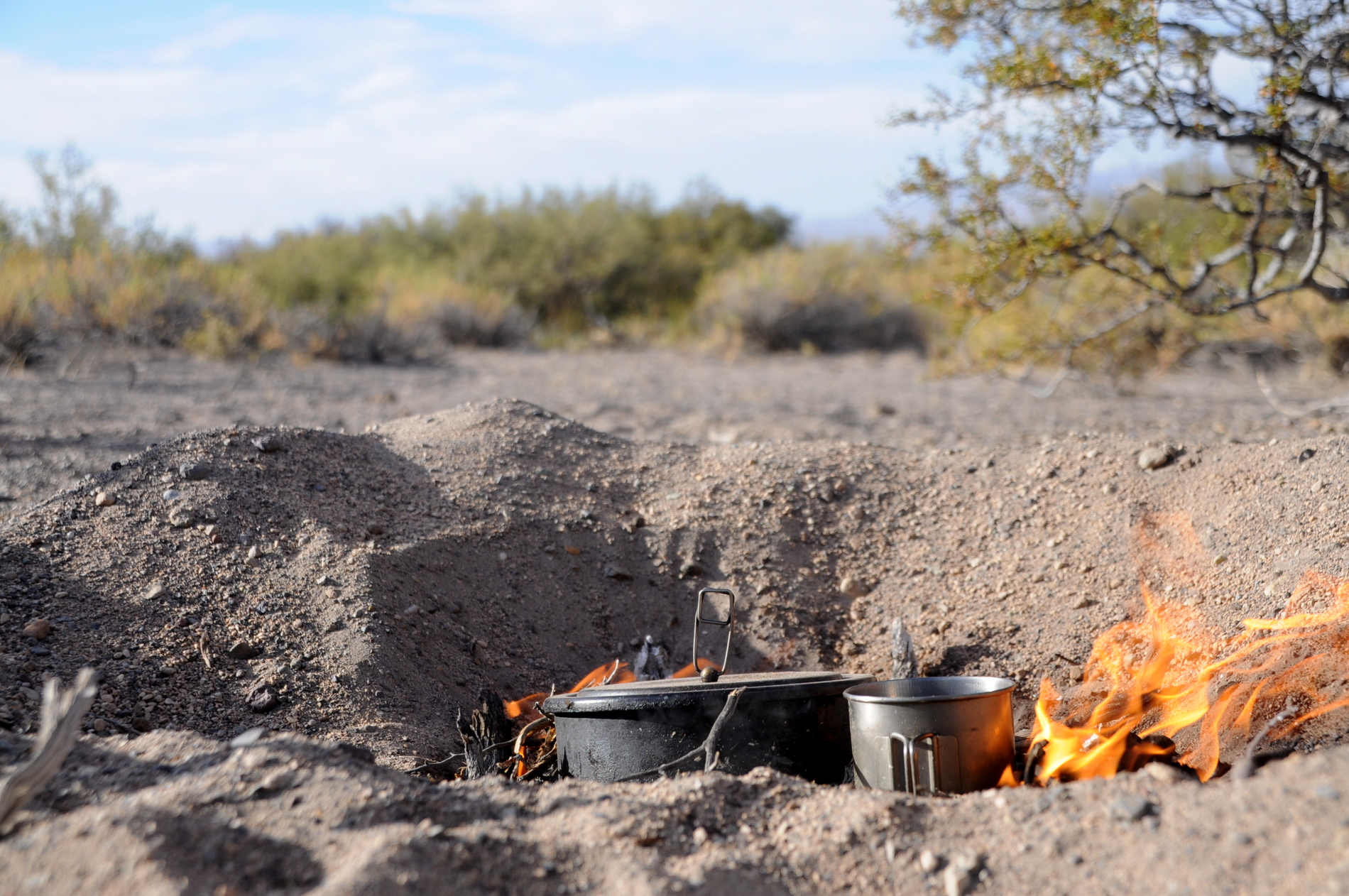
During the late 19th and early 20th centuries—especially the Great Depression—hobos (migrant workers who traveled by rail) often cooked with improvised stoves made from tin cans, buckets, or scrap metal. These stoves were portable, easy to make from trash, fuel‑efficient, using twigs or small bits of wood and durable enough for life on the move. That’s why I choose this option when my Optimus broke down.
When you are low on cash I would certainly get a hobo stove, which costs literally nothing. Mine was made in Paraguay for free. At the same time I had an alcohol stove made as well.
Gas cartridge
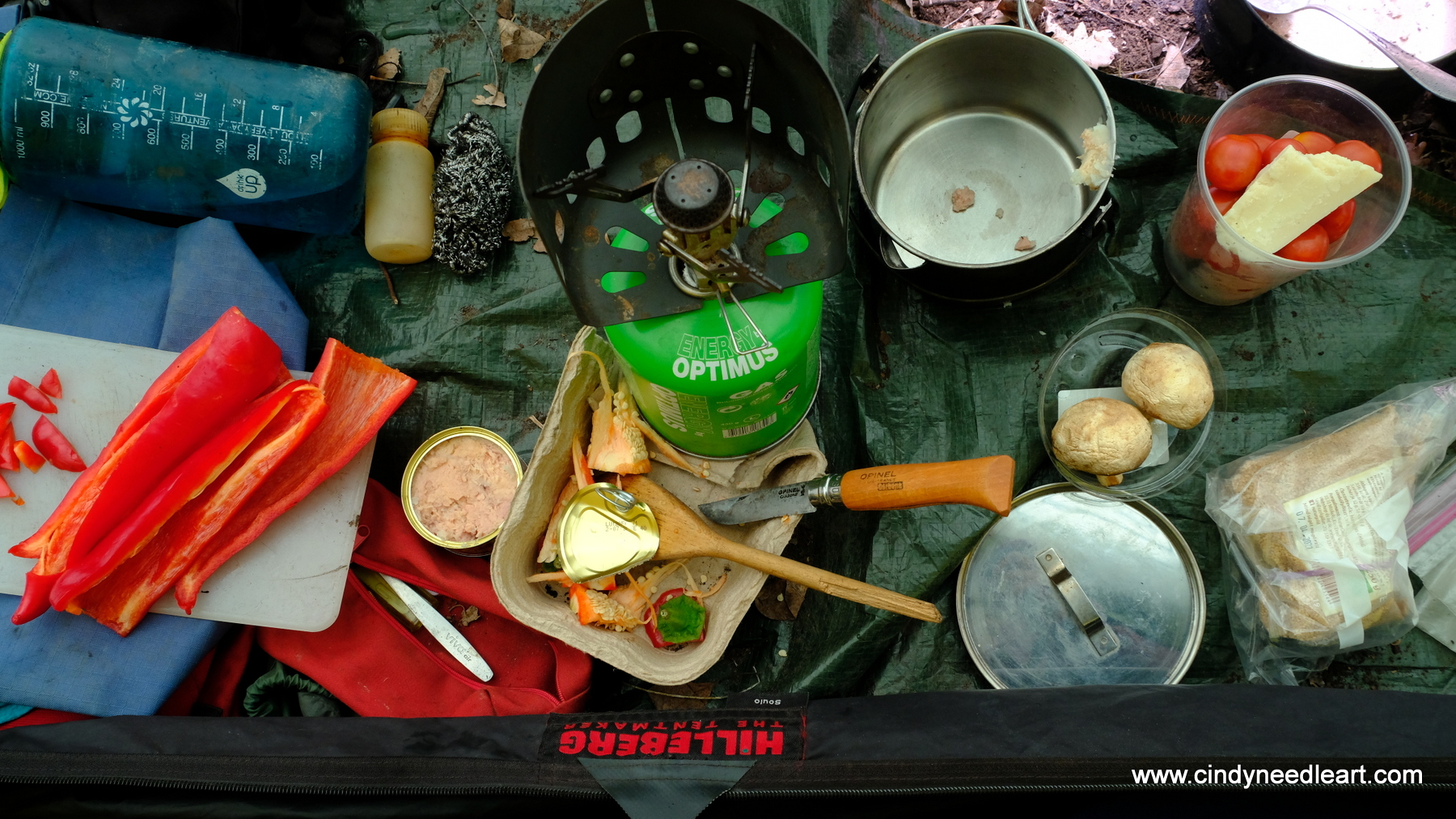
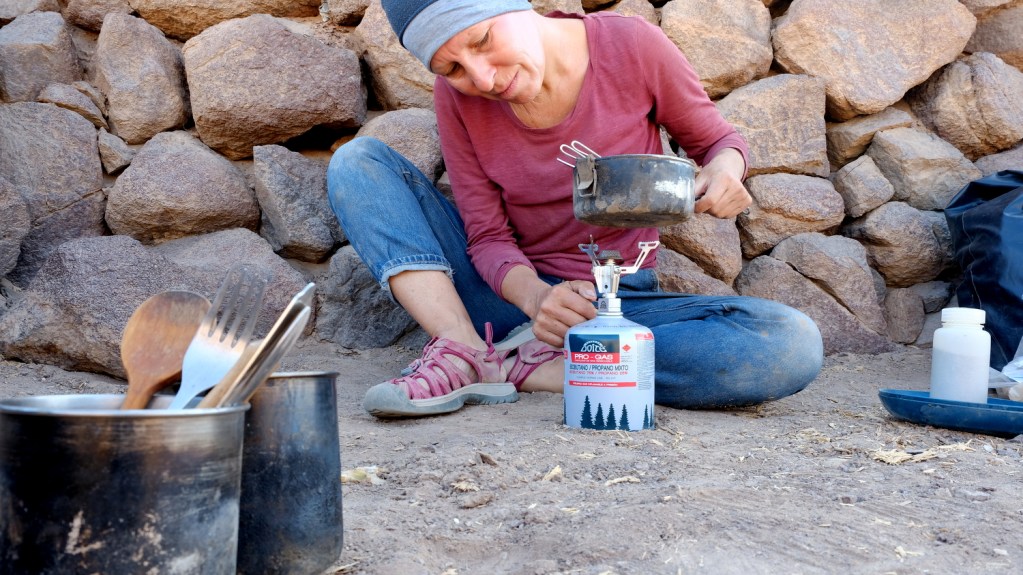
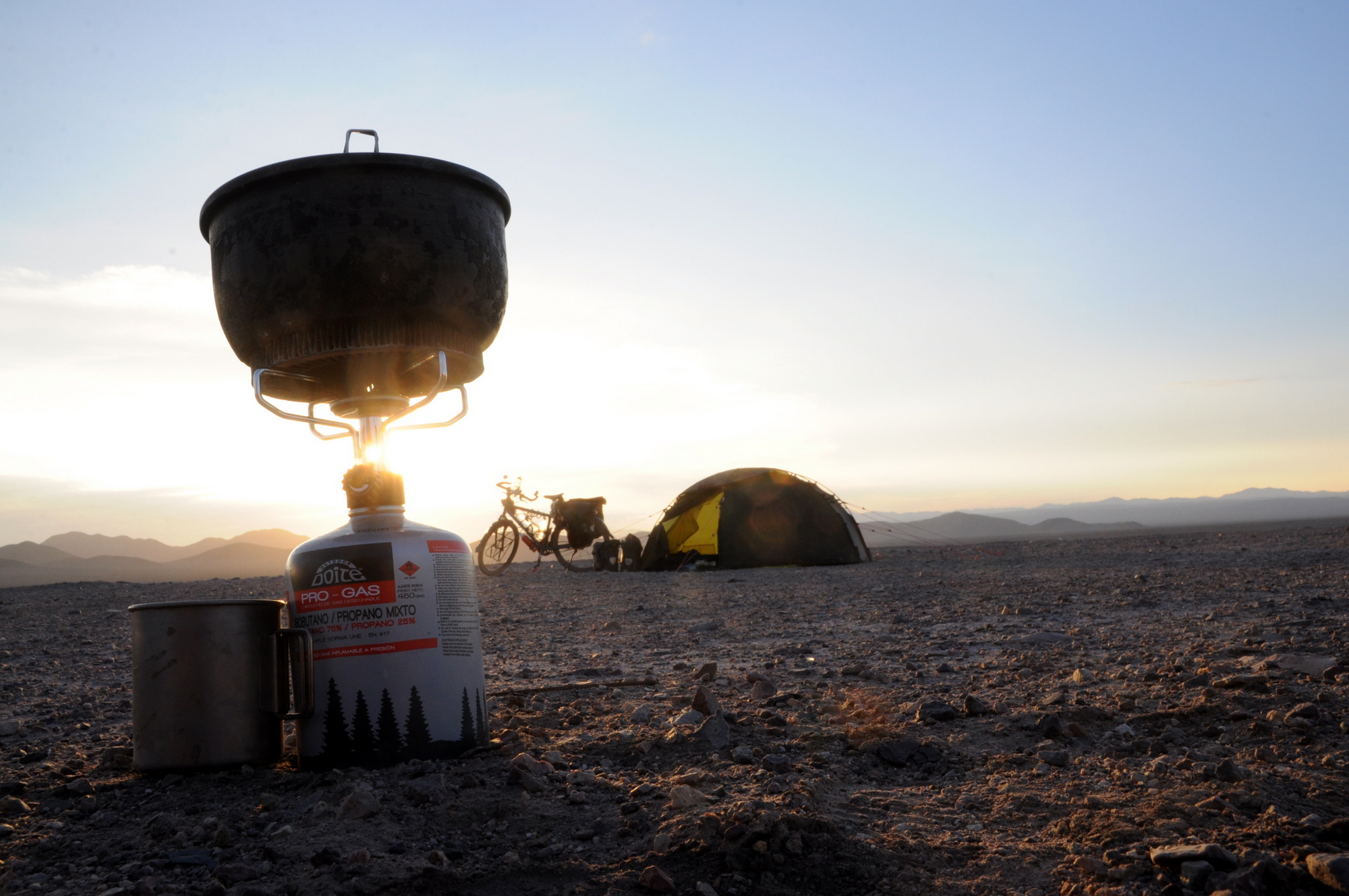
When you are counting the grams and want to be secured of always a source of fire, I would go for a gas stove. But this only makes sense when you are in Europe and automatically often near bigger towns to buy new cartridges (in ‘China’ shops, hardware stores, builder markets, Decathlon and perhaps hunters stores as well).
Gas cartridges are existing in small sizes (100 gram) but you’ll find them often available in a size that isn’t lightweight compared to the burner head.
Multifuel burner
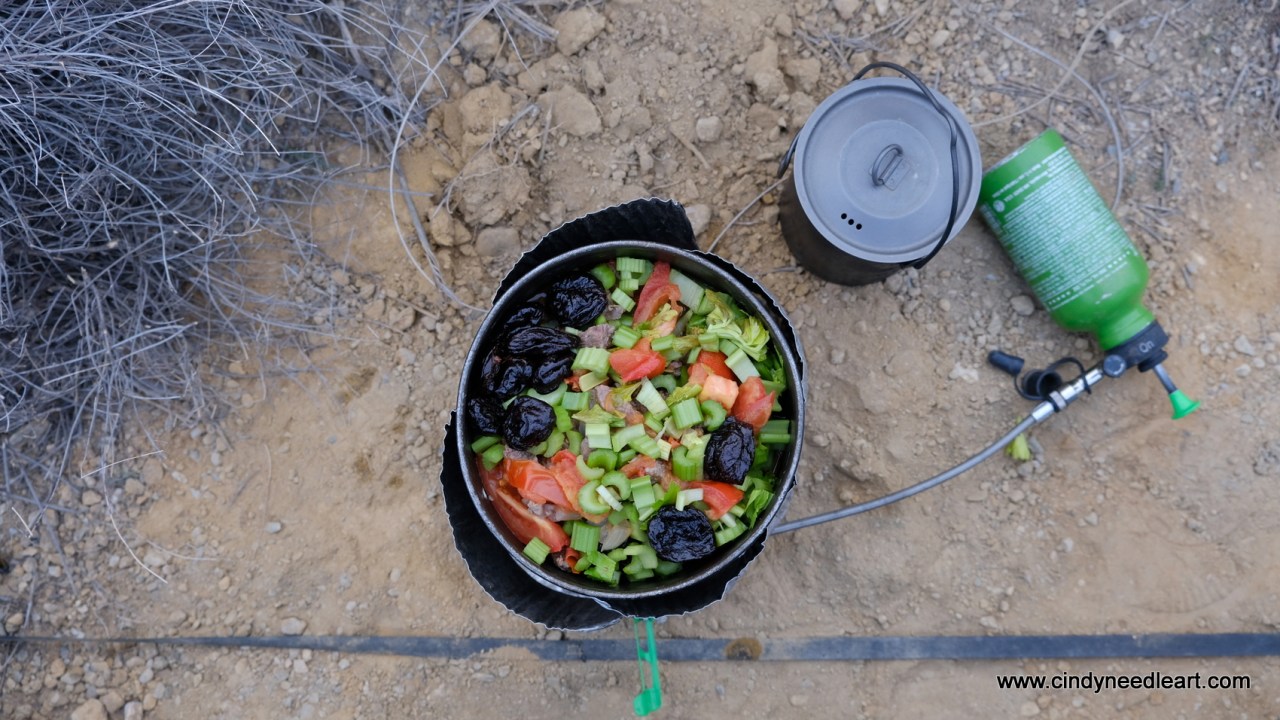
For a long journey I definitely choose Optimus Nova multifuel again. Back when I got this stove I was even impressed with the pouch it came in. I always used gasoline and when I get the chance I use Coleman white spirit. When I need absolute certainty and don’t have to count every gram, this is my choice. I had serious issues with another Optimus stove (Svea 123) while cycling and the service I received from this brand is outstanding!

Bushbox Pocket stove
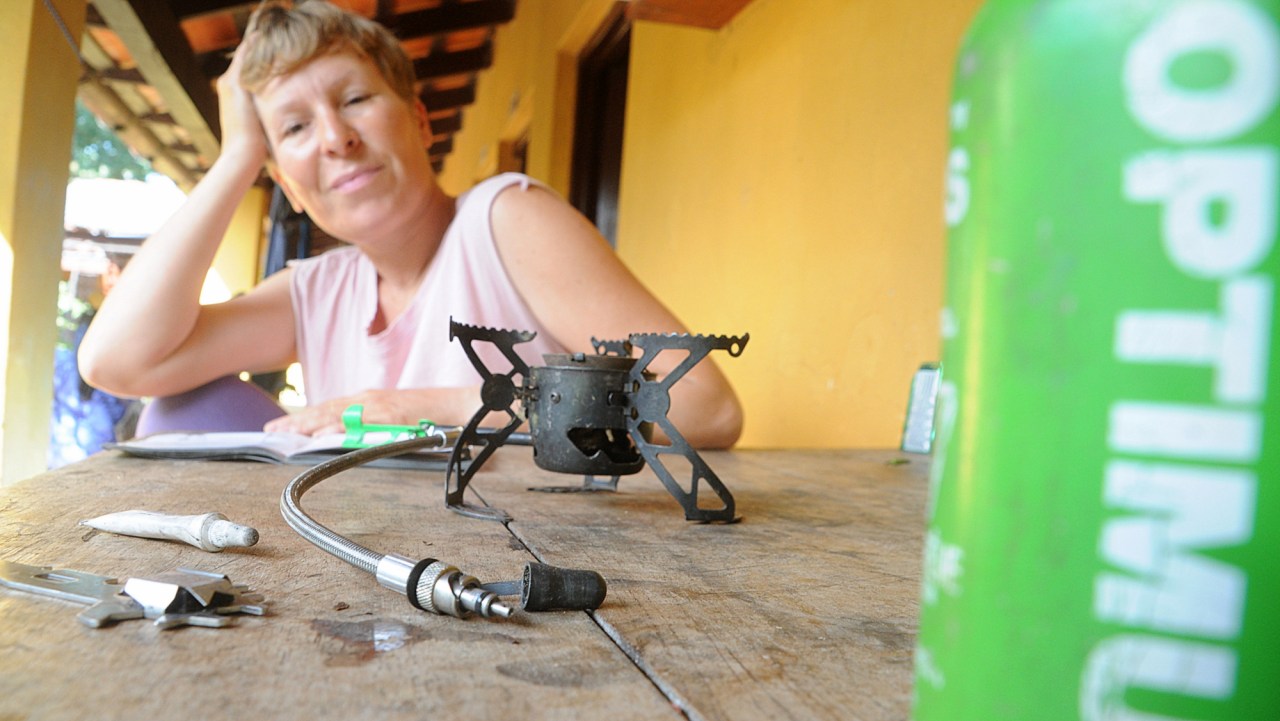
Geo and I relied on my Bushcraft-Essential Bushbox Pocket stove when we were traveling by motorbike in South America. We had to be prudent what to take along, seen the minimum of space we had. The pocket stove turned out to be a mistake as our only source of cooking fire. Often there weren’t the slightest sprigs of twigs and when there was wood, it often was the altitude and circumstances that made it hard to get a fire going. I needed a gas cartridge or my Optimus multifuel. We eventually found a gas burner-head and a cartridge, but it was a thorough search to locate a shop in South America that sold them.

Alcohol stove
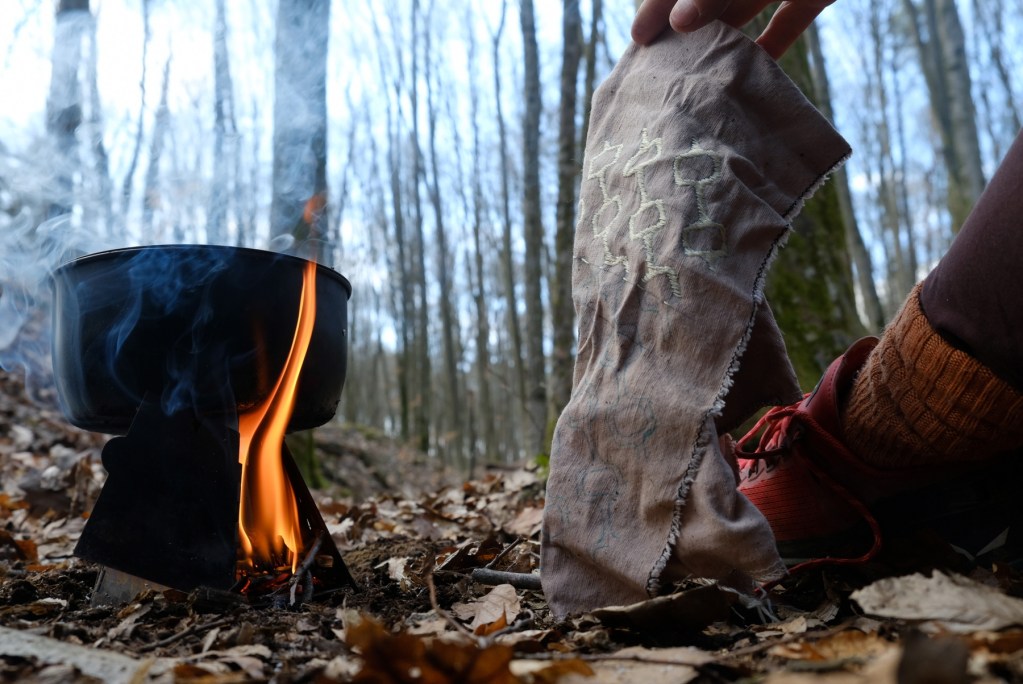
My latest addition is an alcohol burner. I felt it was truly necessary to enlarge my cooking arsenal. When hiking with the backpack my gear has to be absolutely as lightweight as possible. I choose the Vargo titanium alcohol burner (in combination with the titanium hexagon hobo stove). Yet, to make an alcohol burner yourself is a good option.
Ethanol is not always easy to find: try pharmacies and supermarkets (Italy carries them in certain assortment) or like in Hungary, building/outdoor furniture markets.
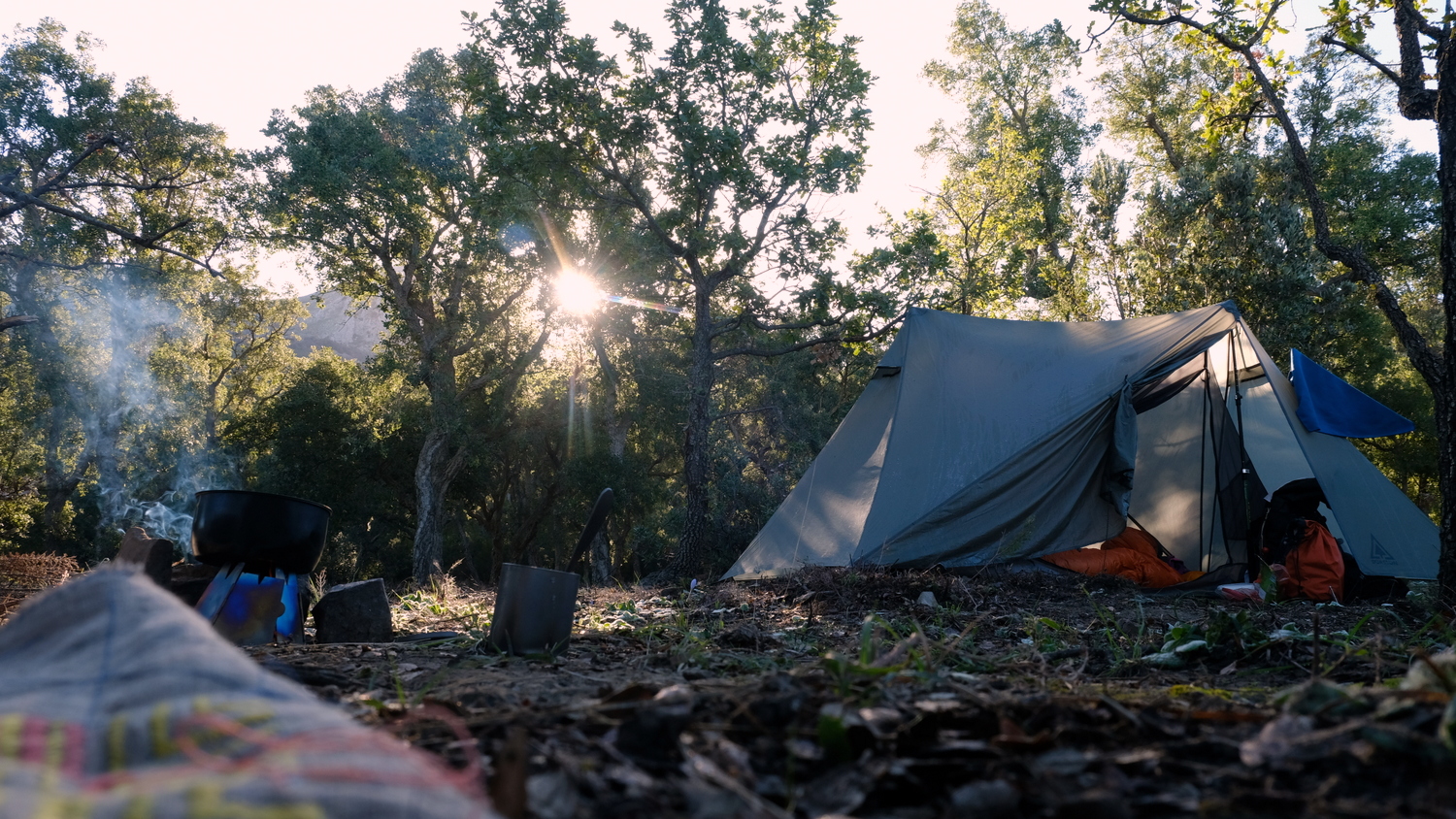
The downside is that you have to buy a bottle that has a content of 500 ml and it burns the ethanol quite fast, so I use it only when I can not make a fire in the hexagon stove.

When things go wrong
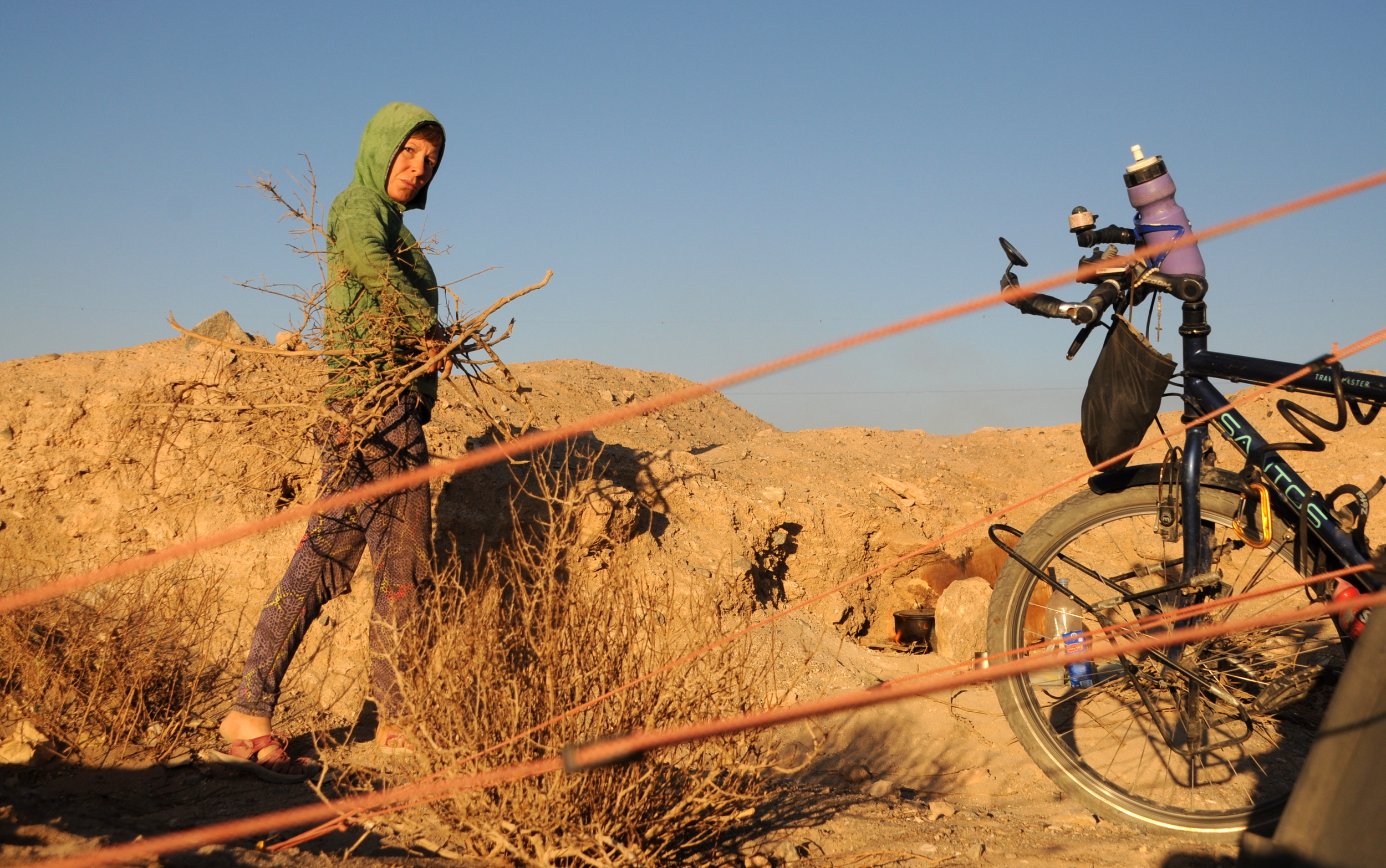
Cycling through the Atacama desert and my Optimus Svea stove refused to spit fire, I was thrown back at the desert supply of wood. Which was precious little. Luckily I soon had my dad come over with new supplies to fix the stove. However, not much later I found myself searching in a Peruvian city for O-rings that the spare part supply package did not contain. When repairing the stove turned unsuccessful I needed to rely on the Argentinean and Paraguayan postal service, several addresses to send and re-send it to, and be present to receive a new stove (these actions don’t always align). This is only to say that one stove is not enough to count on, especially not on a trip that last years. Of course, one gets creative…

Comments don’t match post. As my weblog is full I had to delete a lot; hence I overwrite old posts.

6 replies on “Stoves and Fires, who needs what, and when?”
[…] Post 4: Minuses of living in a truck in summer […]
Thanks for writing about the posts about living in a truck, they’ve been an interesting read!
Greetings,
Grace
Hi Grace,
nice to read you here : ) I remember, back in Paraguay, you were curious to how ‘things’ would get once back in the Netherlands/Germany.
Glad you found it interesting ; )
Greetings back
Hee Cindy,
I recognize your thoughts. I am a fulltime bicycle traveller for 2+ years now and I also can’t live inside anymore. Actually I never could.
Sometimes I take a hotelroom to explore a town. I can hardly sleep then since it always is to hot in there. If I turn on the fan or airco I get a cold. That never happens by the real outdoor wind. There simply is no real world inside anywhere …
If I am bicycling I never have any problem with “the climate”. As I always say I was born 10C wrong. I like the heat and hate the warmth. At 52C on the tarmac in Morocco I had no problem.
An outdoor type will never feel comfty inside (anymore) … So don’t worry, that’s normal !
Have a nice time in South America ! Just remove the windows and doors …
Wilfried
(And the pouches are doing so well. I like them a lot, they are so beautiful)
Hi Wilfried,
Yeah, living inside is sort of fake. It takes all the sounds and smells and natutal occurences away. Living inside is sort of artificial. But, of course, it is protecting too. In the era where hunter-gatherers were active, they needed a structure too, to seek shelter.
But our homes have become so sealed off from the outside that it is like living in an airless aquarium. Built with material alien to its origin. Concrete just does not keep cool in summer nor warm in winter.
That is remarkable, that you can handle the heat so well!
And, natural wind is not to compare with an airconditioning unit or fan. Both are artifical and therefor making almost every human ‘sickish’.
I can not wait anymore to get out, live out, be out and away from this house. Though… I did like the constant of having a kitchen, a work place, WiFi and the ability to get stuff I think I need ; ) So, it is good to combine both in a very modest way, that is.
Wishing you satisfying travels with much natural wind and sunshine to keep warm.
Regards Cindy
[…] coming up I thought it is the time for camping and two compilations of cooking on which fire and which pot to take along are out. And trust me, there are a lot of options to choose from. The […]