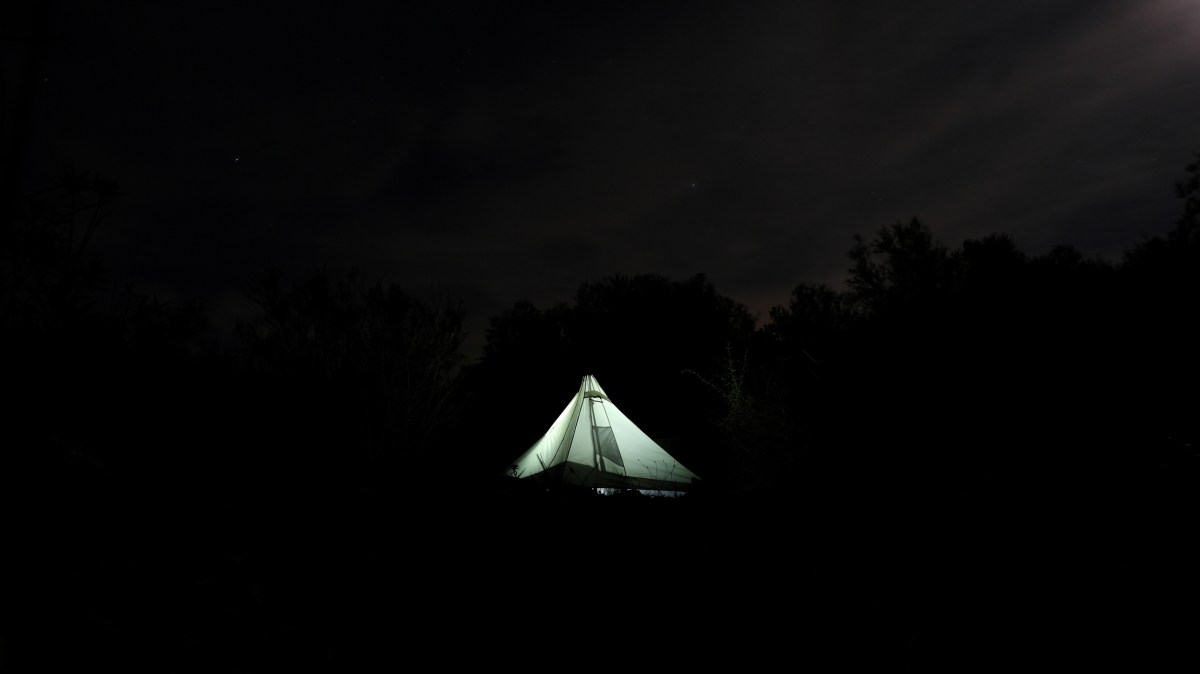
Not a review about the good sides of this tent, there is enough on YouTube for that.
I was having a keen eye on the Bonfus Solus 1P as I find that a super beautiful design. In the end, I choose Durston XMID 1: cheaper, not lighter but less ground space needed. The material is apparently not as loud as Dyneema when it’s windy and that is very important for me, more than beauty.
I bought this tent for € 372,60 online. An ultra light tent that weighs only 720 gram (25 oz). The poles are your walking sticks and both are needed to erect the tent.
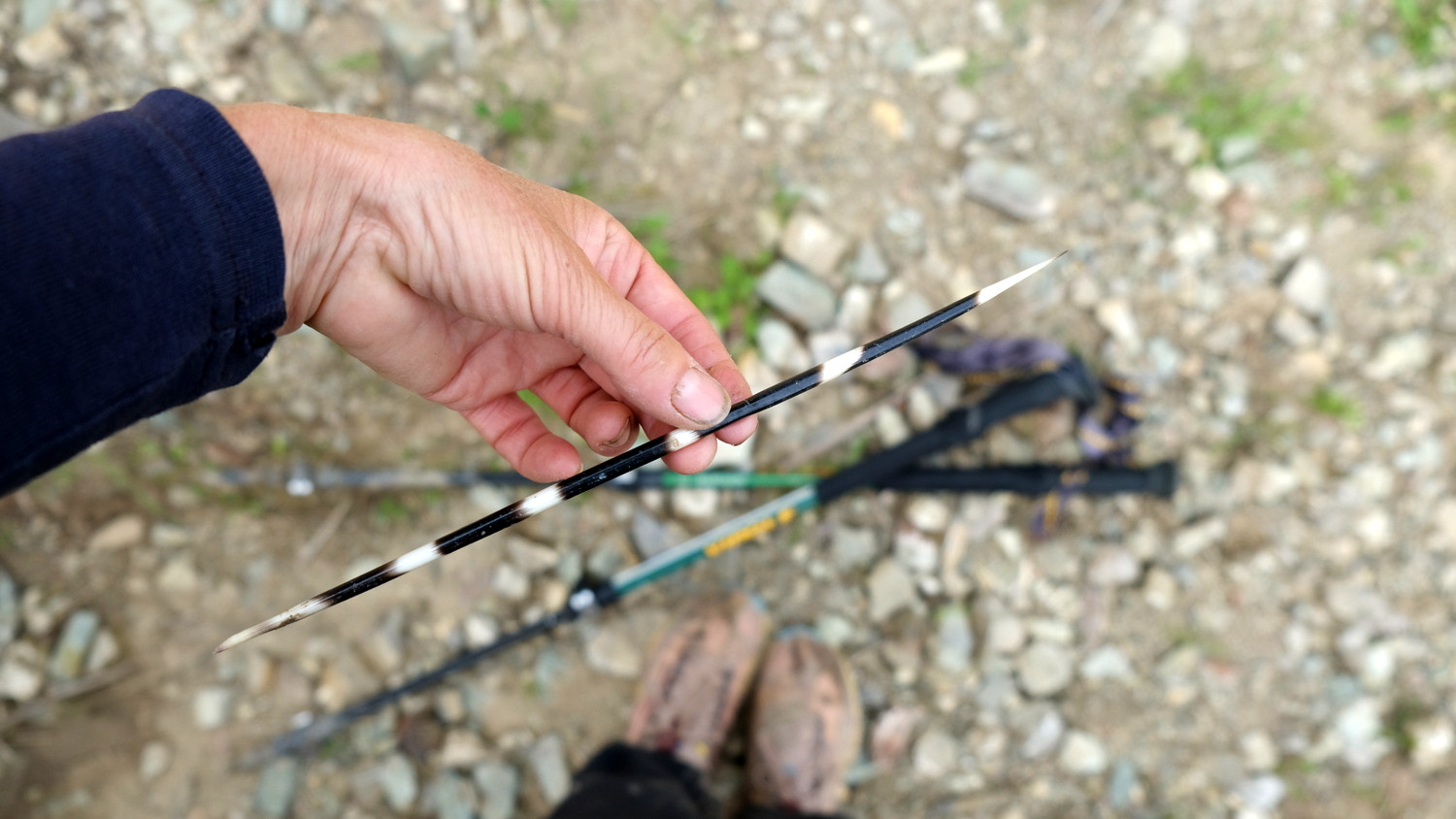
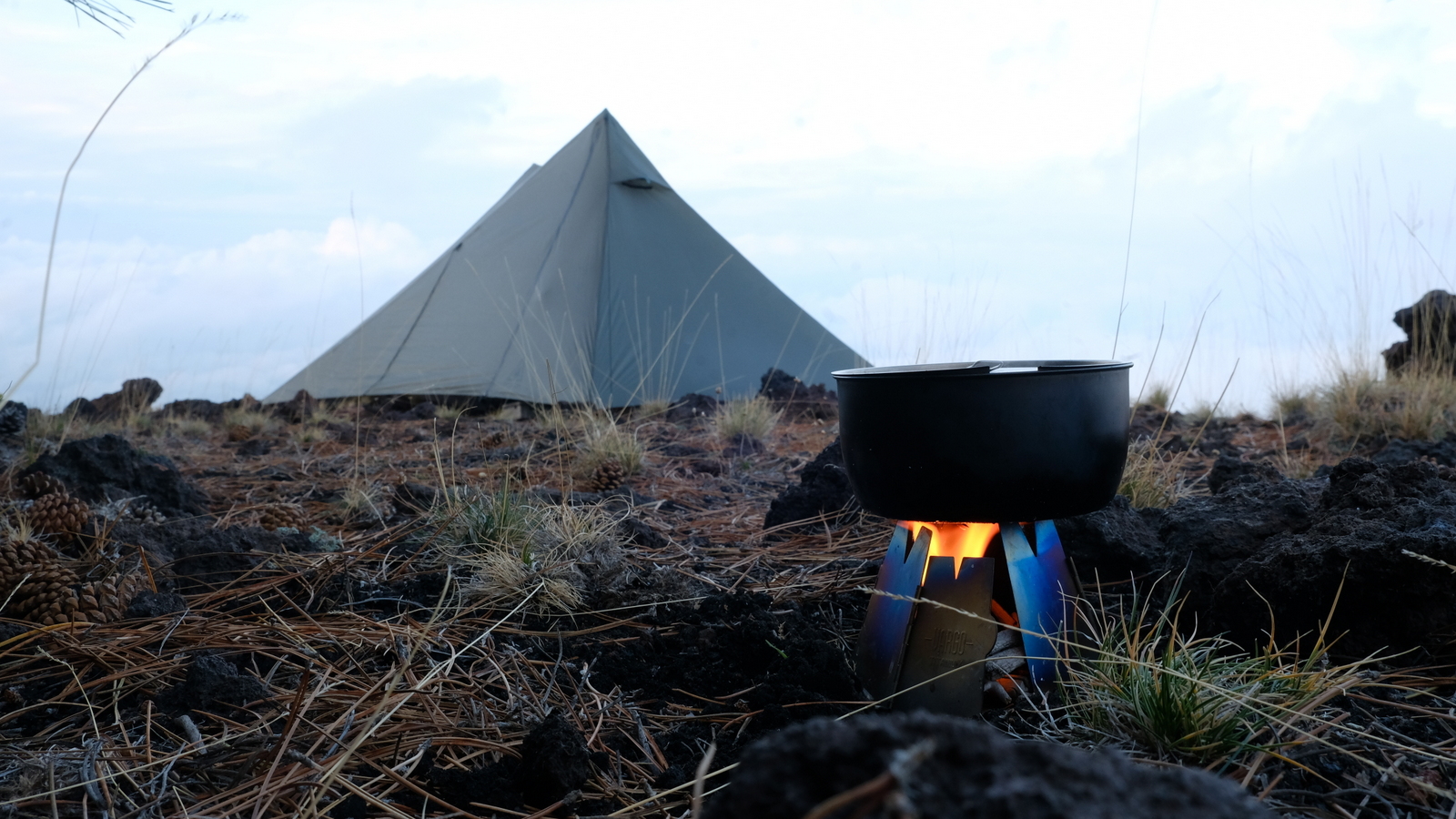
It is not a free standing tent so you need pegs, at least 4 to pitch it tightly. Four tall and four smaller pegs come standard with the tent.
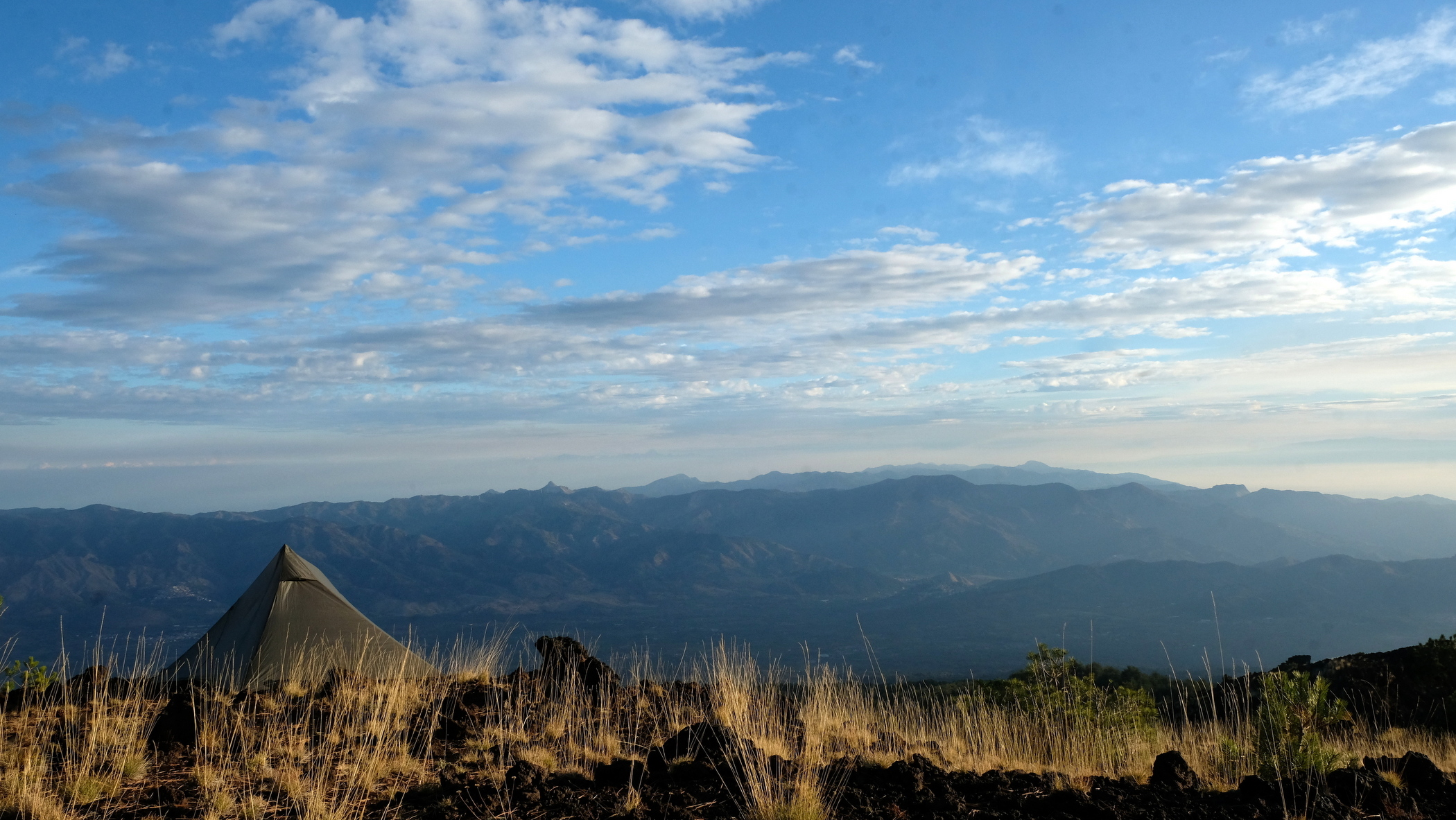
The mesh inner tent makes it cool for warm nights and one could leave it out altogether and use the entire space for sleeping, which is big. I haven’t tried this but will on summery nights.
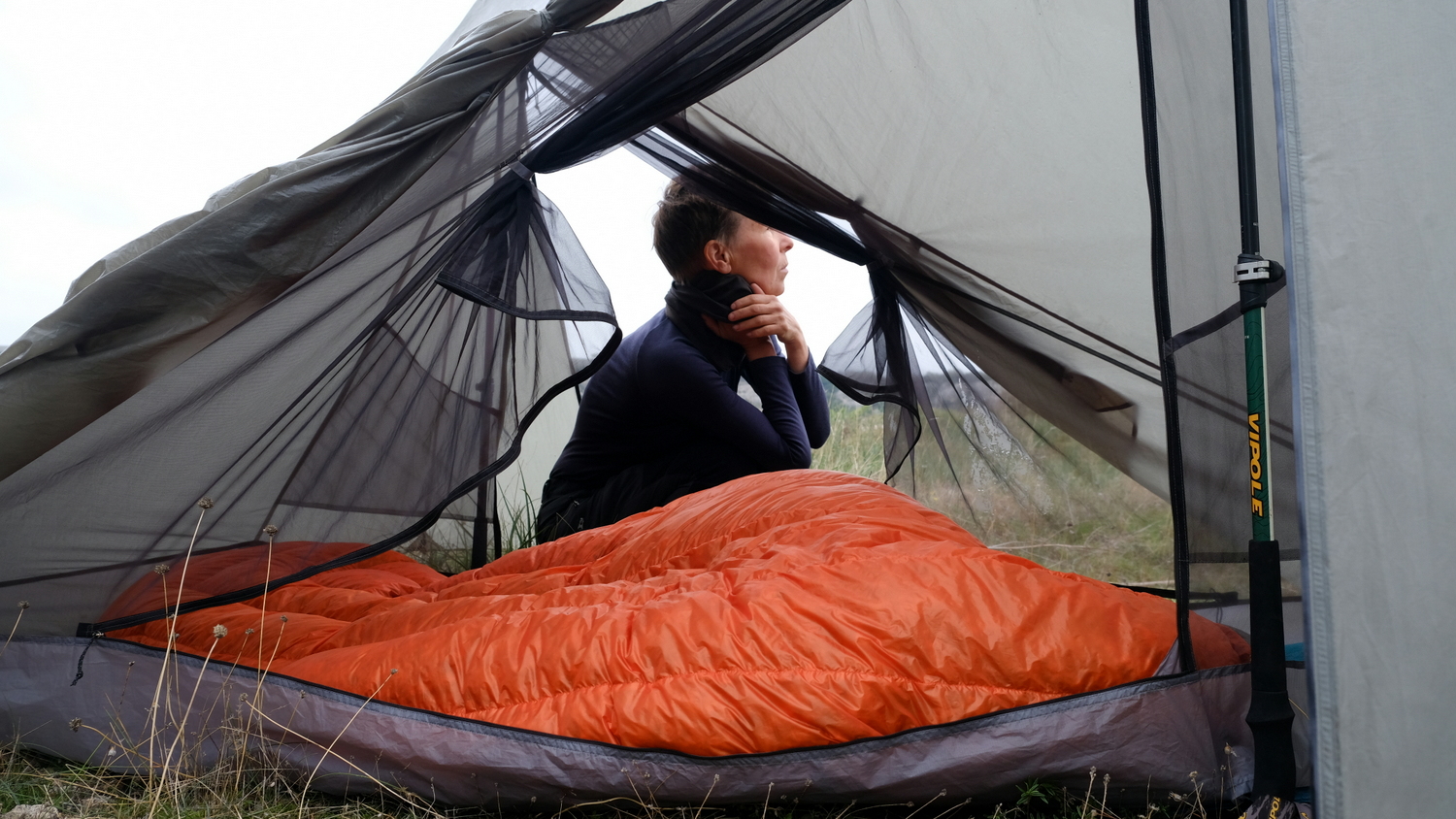
The inner mesh tent is diagonally set into a square that makes up the ground space. Thus, this design is remarkable and makes beautiful images that make the tent look like a pyramid. Not that this is of any importance, rather, it makes the set up initially complicated. To figure out how to align your sleeping position with the spot you have chosen is not always so straightforward and needs practice.

The bathtub-designed ground material one lays the mattress on is very slippery. I have the feeling I slide when I am not level, which is most of the time.
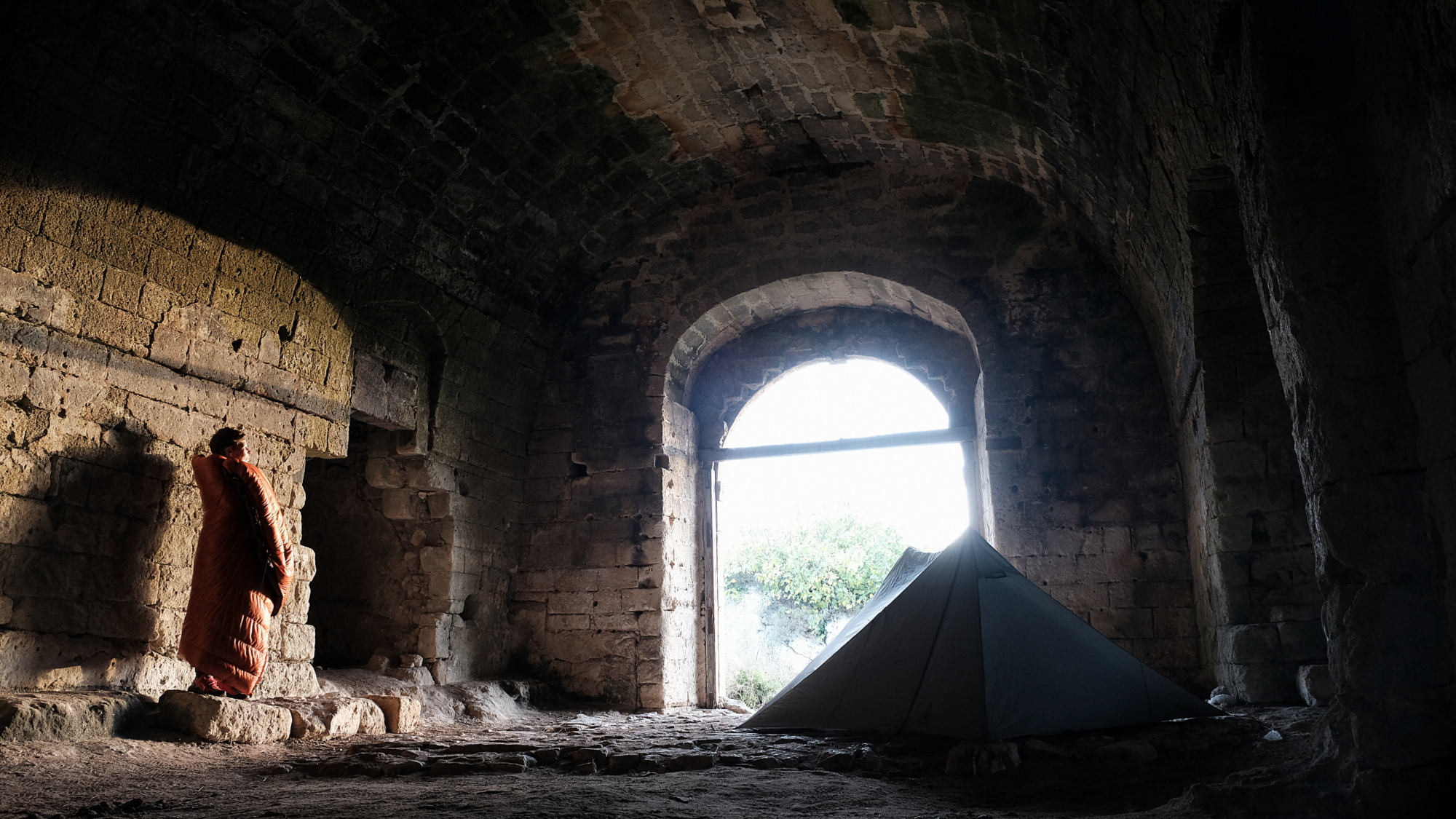
The tent holds condensation and to such an extend that when I set up the tent in the evening, it literally holds a load of water in the bathtub-design ground sheet. It dries very badly and in order to place mattress and sleeping bag into the tent, I need to wipe the water off with a cloth first. I never have this with the Hilleberg Soulo, that might be wet too but absorbs the wetness, so it is a very different kind of wetness.
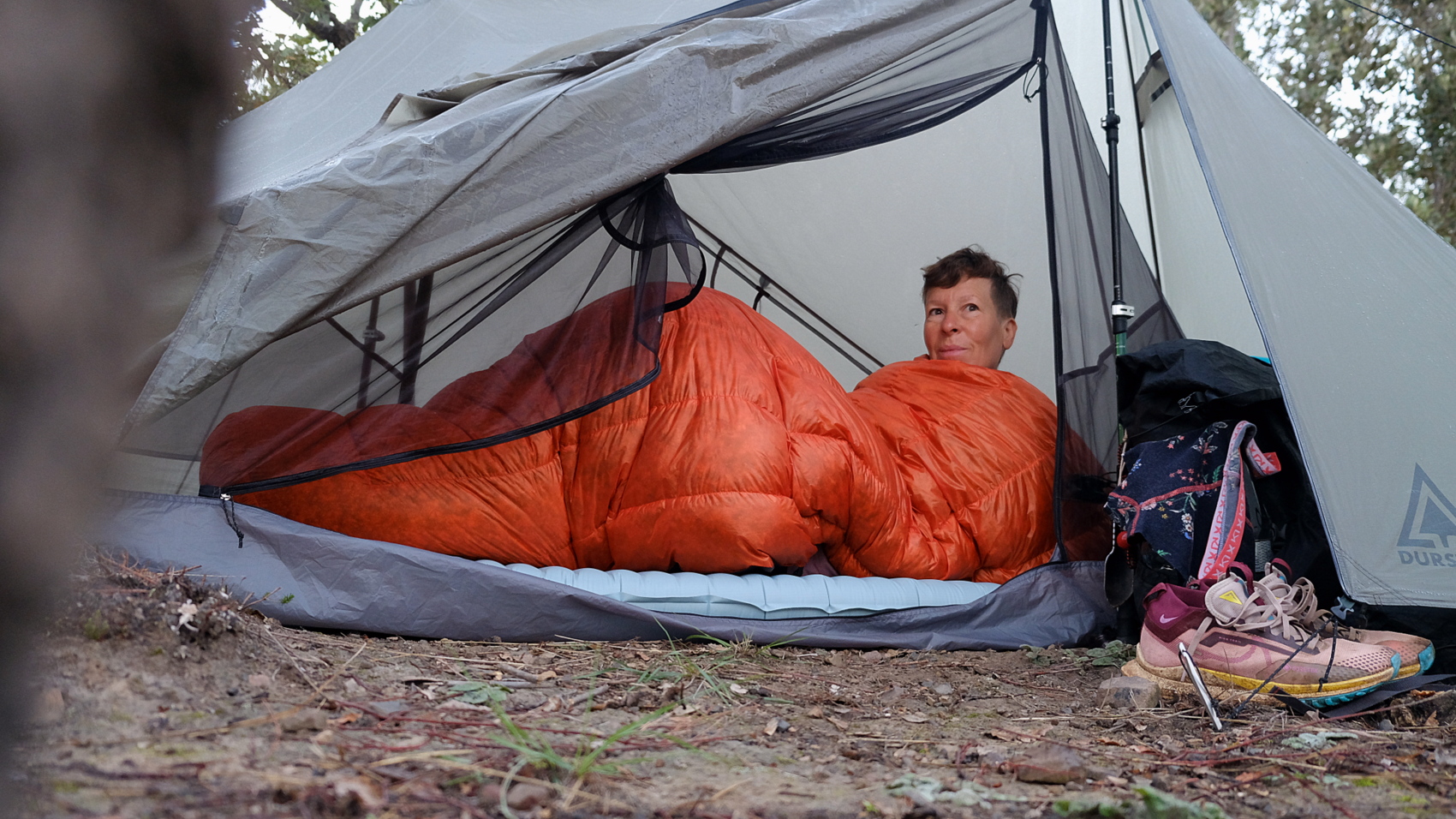
Since there is no groundsheet underneath the rectangular that makes up the whole tent, the zippers are coming in direct contact with the soil when erecting and packing up. When setting up the tent, you need to lay it out on the ground, pitch the 4 corners and shove in your walking poles. This process makes the zippers lay on the soil. If this is dry sand but the tent is wet from the morning condensation than this means the zippers will attract a lot of sand mixed with water: mud. The zippers are very thin and the weakest point, so you need to clean them very regularly.
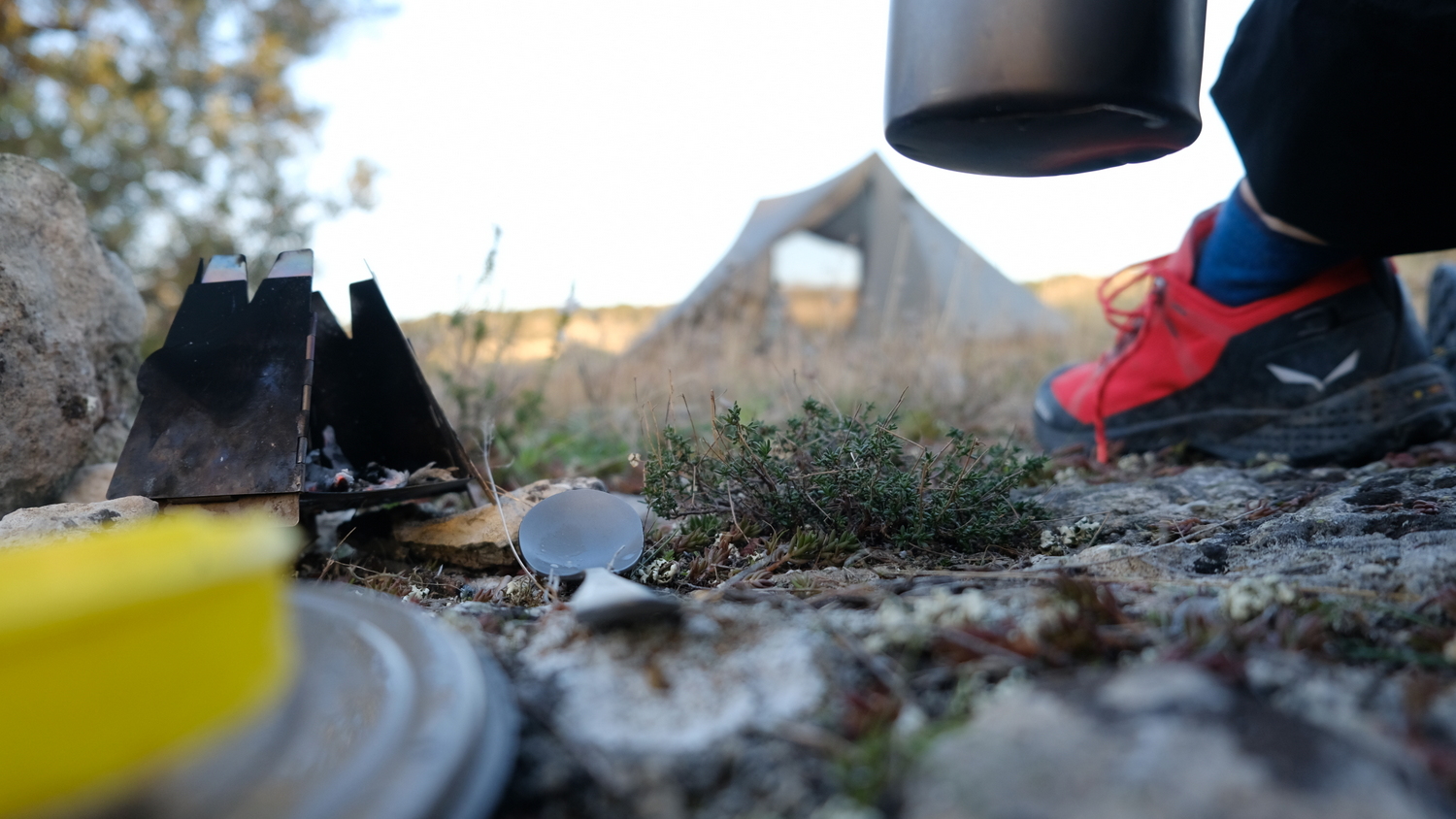
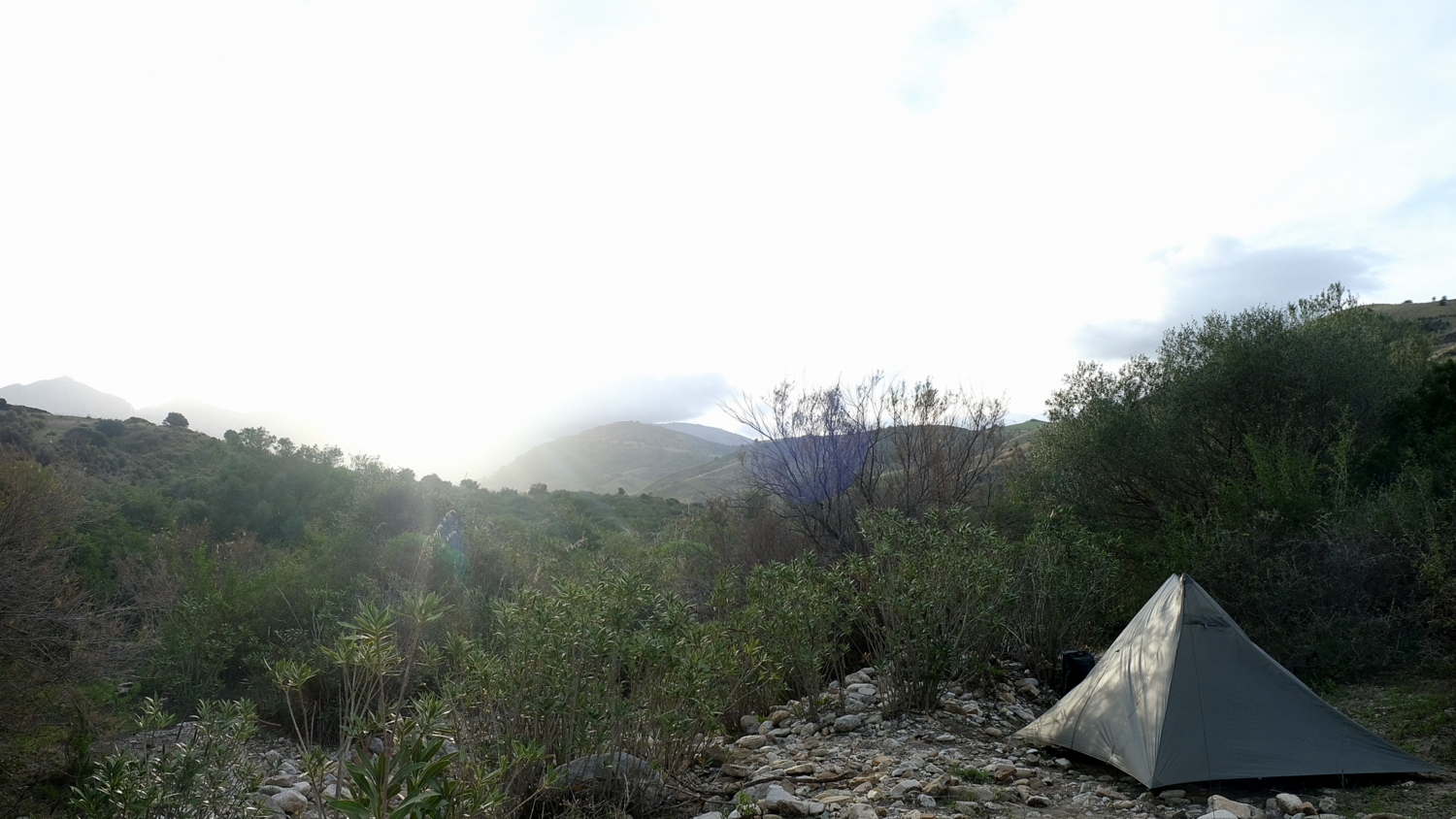
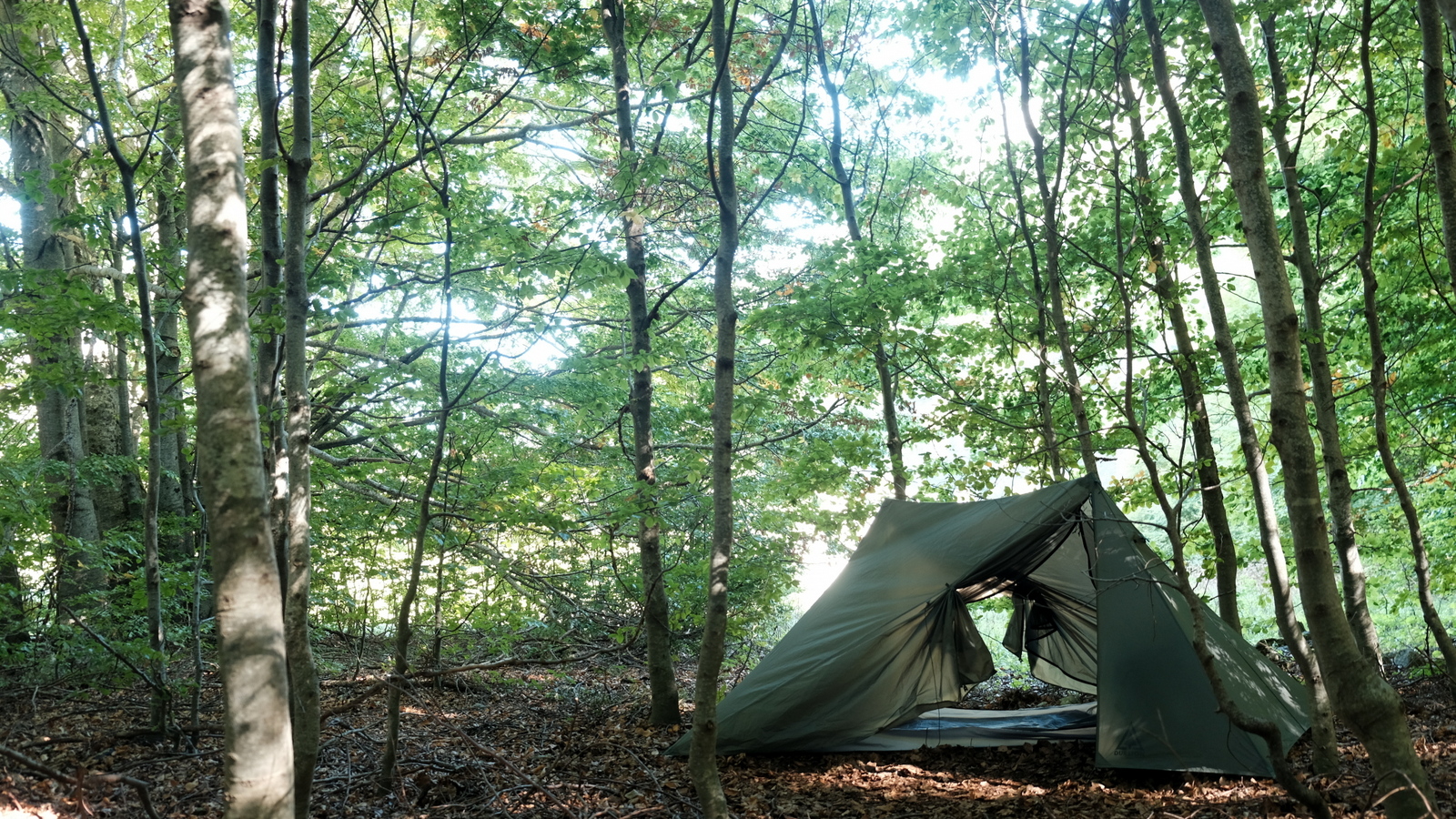
The tent is designed in a way that it has to be staked down in a specific way or else the outer sheet will touch the mesh inner tent. If this happens, water will come through when raining. At times your camp spot may not have level soil and so it means it takes a lot of time to get the outer tent far enough away from the inner mesh tent.
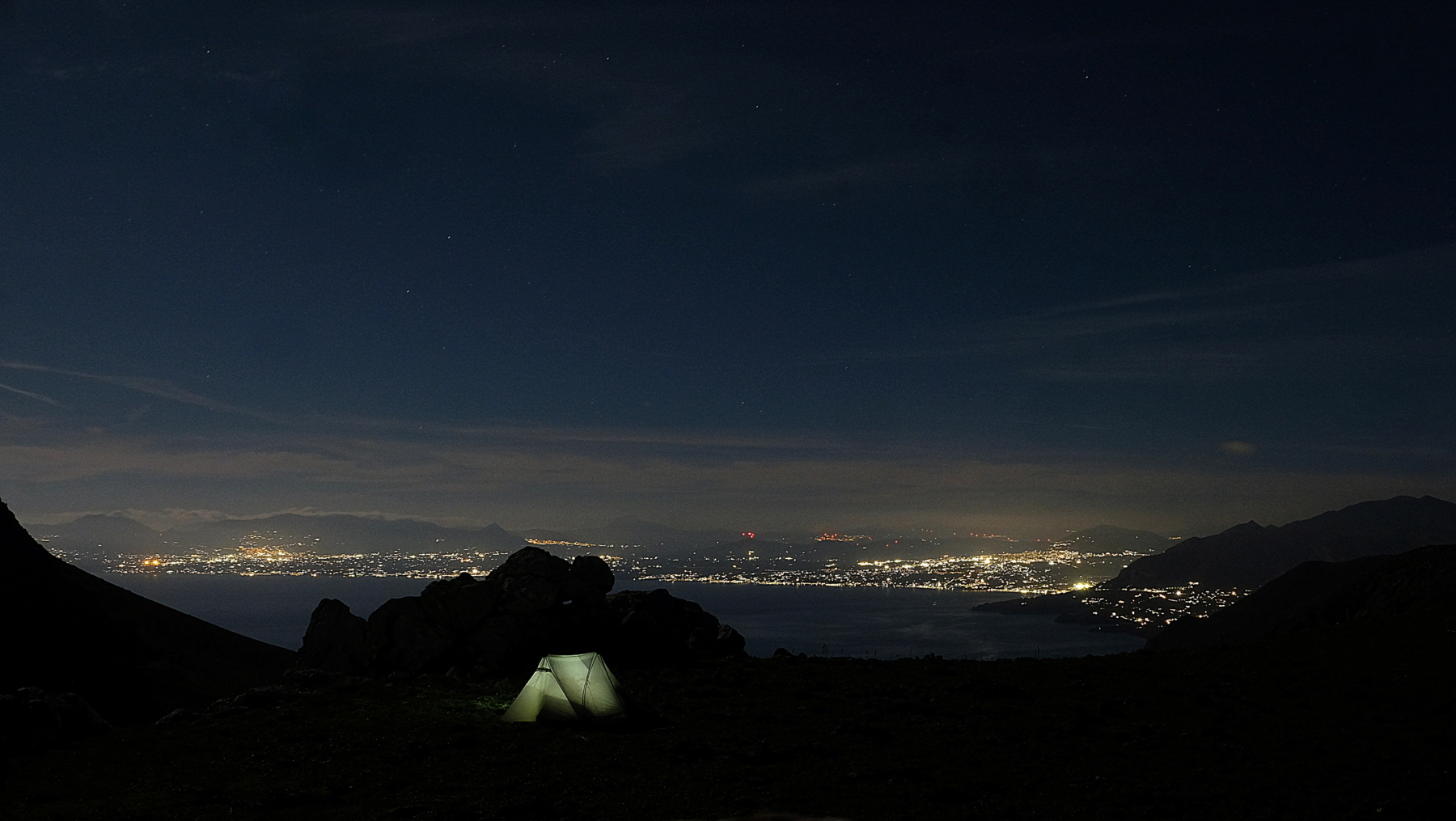
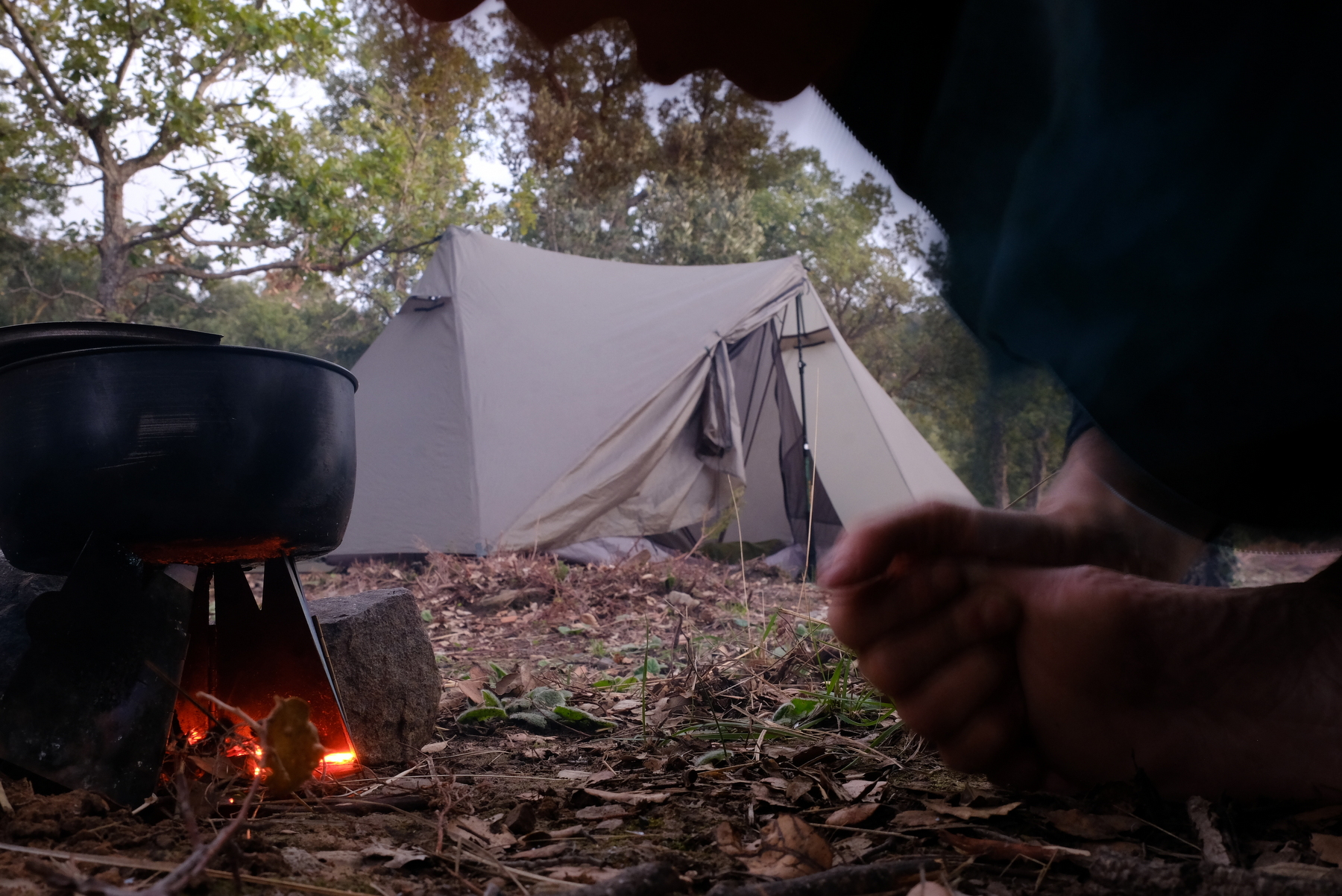
The inner mesh tent can stand alone with a ‘stargazer’ set (€26,24), which I haven’t tried but am very curious about.
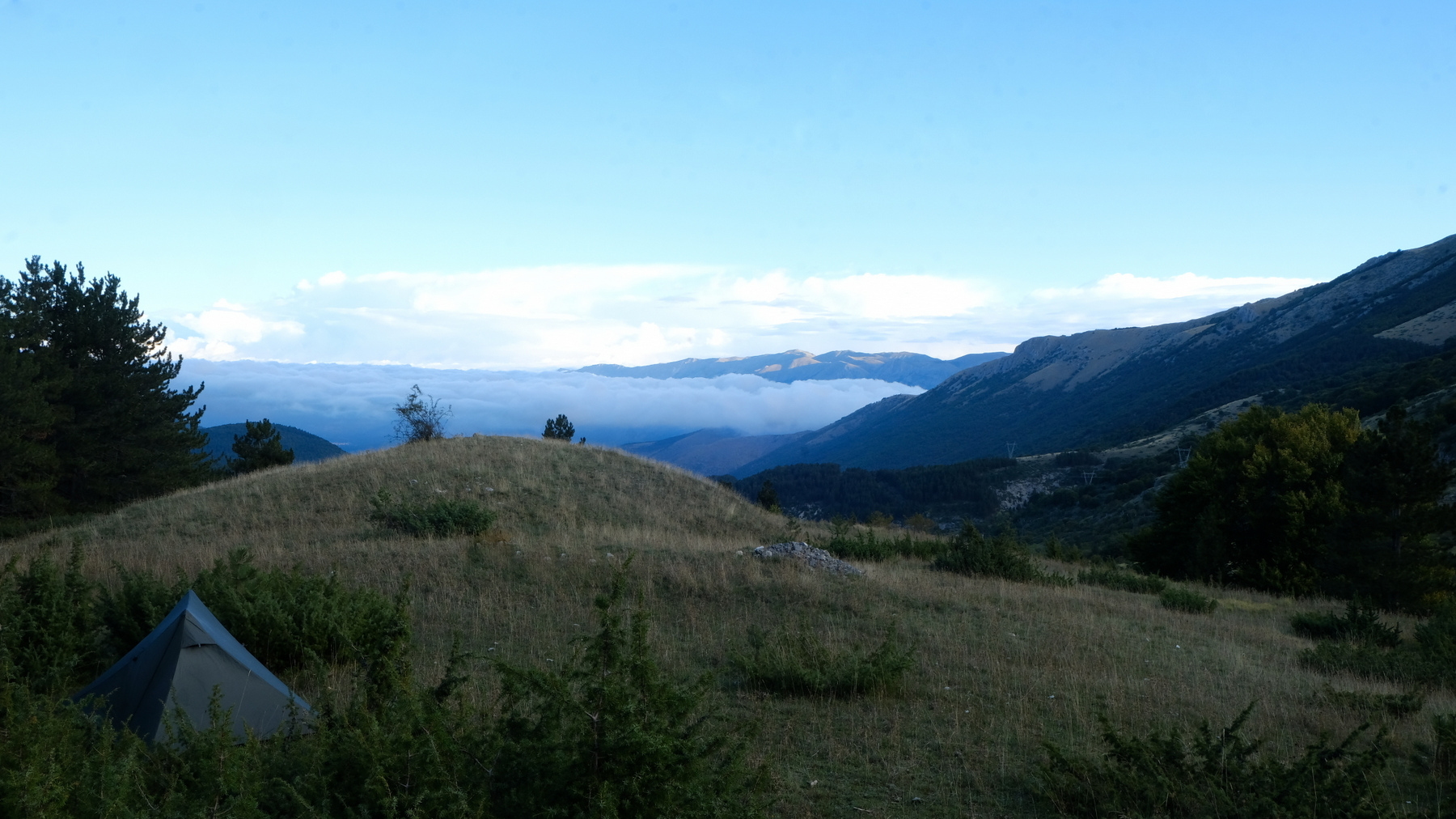
I always look forward to set up the tent as it is such a nifty design. It makes me happy to carry my little home and unfold the small parcel into a full blown living quarter. It might be the newness of it all, the pure joy that I can carry it over the smallest of paths.
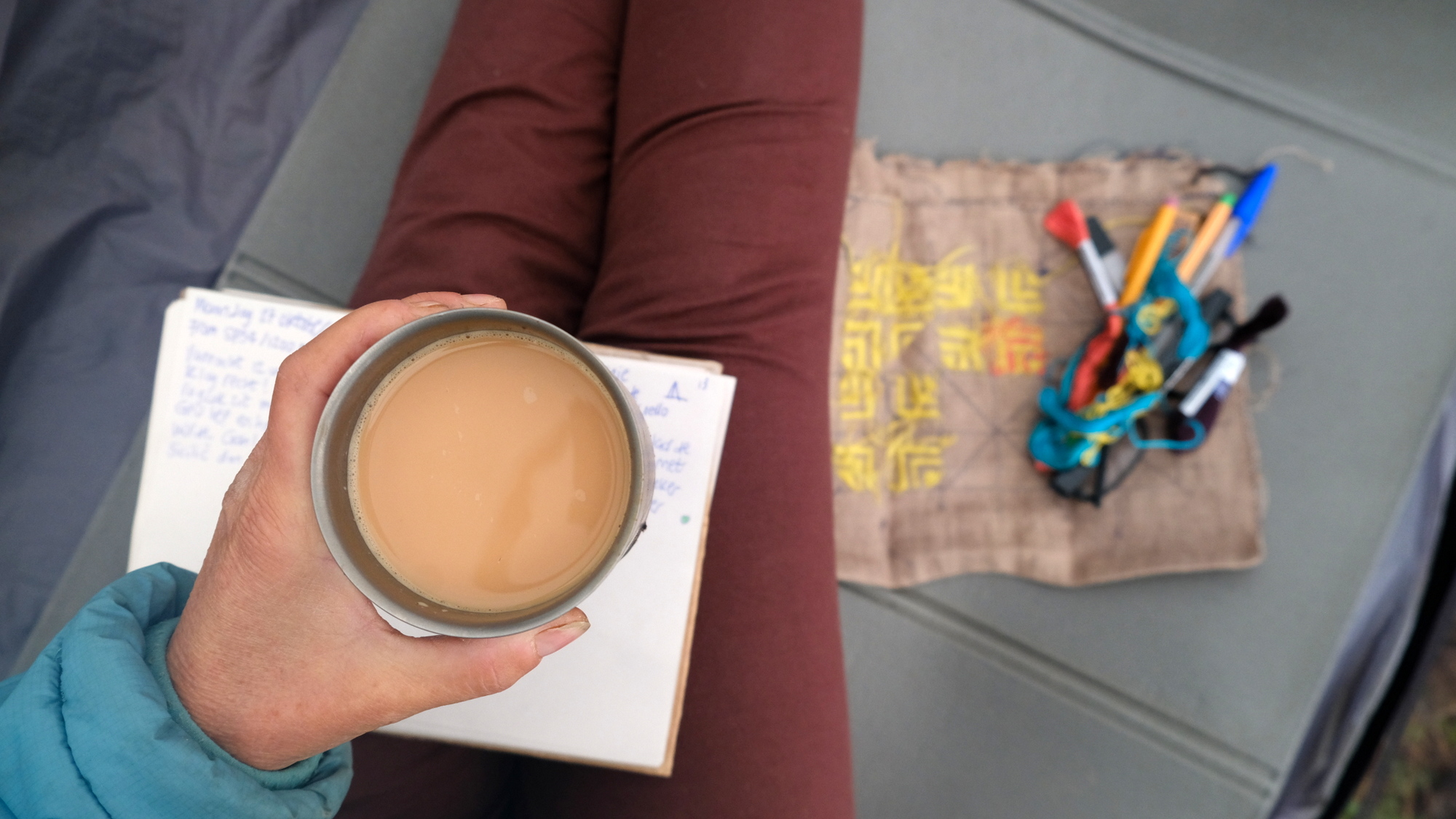
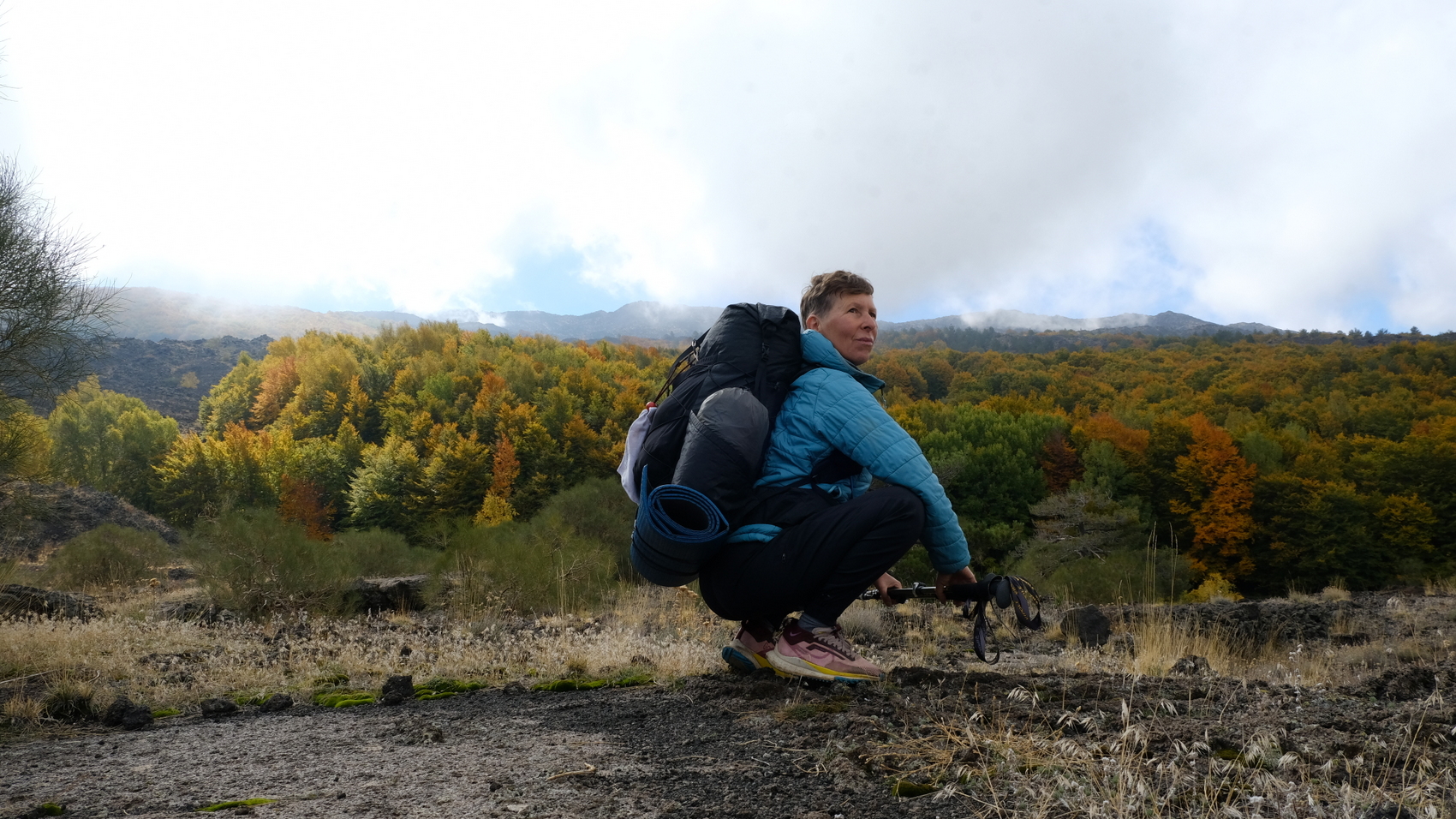
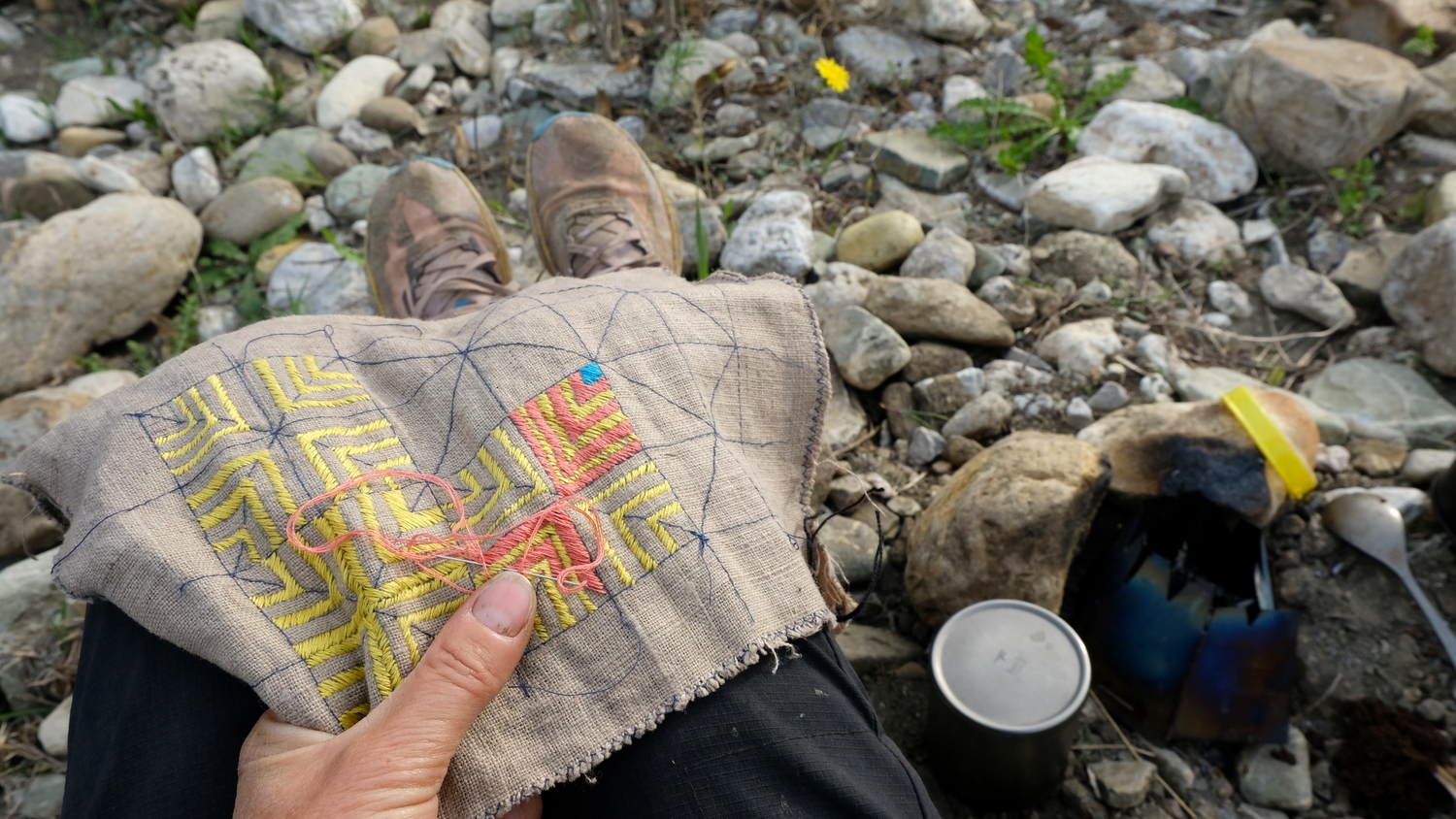
Beauty is one of those things I try creating when in camp. It started long ago while cycling the world and I still keep on embroidering.

 Cycling Cindy
2 replies on “Review Durston XMID 1”
I considered to buy this tent but thought it to be unhandy (being a bicycletraveller, without walkingsticks haha). Now that I read about all the other bad aspects I am very glad I didn’t. Besides that very many tents are called freestanding but there are only very few (left) worldwide, maybe only 5 models or so. Not having to use any tentpegs is by far the best detail. I do have them and had to use them all (14 or so at that time, plus some screwdrivers) because a superstorm arrived. All the best, Wilfried from YesTrip.nl.
LikeLike
Hi Wilfried, so nice to read from you! How are you? I hope very well : )
I agree the Durston would not been a very smart choice for a cyclist. I think it makes no sense to be ultralight on a bicycle when you have sturdy panniers and a lot of stuff that is not helping to be ultra light. I think the Durston is ONLY for hiking! But Durston probably won’t agree with that ; )
In general, it is a trade off, to have a light model versus a sturdy one like Soulo from Hilleberg. I am however very happy with this choice when I need to carry it as the Soulo is way too heavy but on a bicycle I won’t feel that difference in grams, also not when adding up to 4 kilogram excess. But on your back it makes ALL the difference. Let’s see how it performs in the long run…
All the best Wilfried, warm greetings Cindy
LikeLike